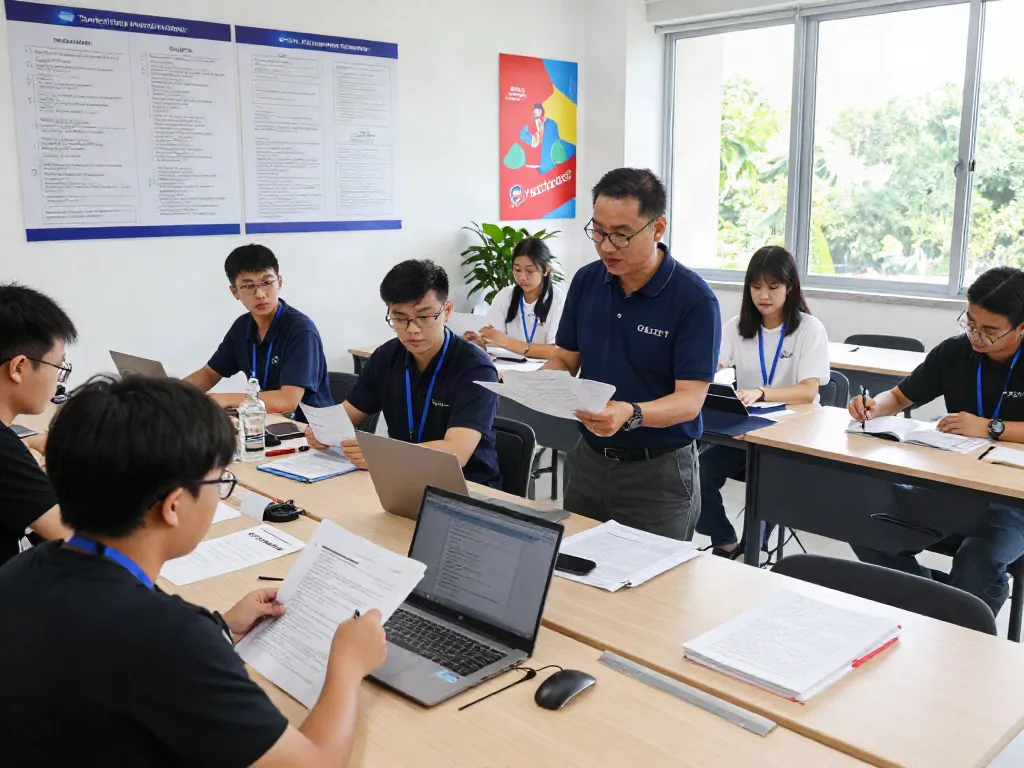
Understanding the Job Market in 2026
The job market in 2026 is actively evolving, shaped by rapid advancements in technology, shifts in employer expectations, and the ever-changing landscape of available opportunities. As professionals navigate their career paths, understanding these dynamics becomes crucial to successfully securing a position that aligns with their skills and aspirations. The significance of adopting effective job searching strategies cannot be overstated, particularly when exploring options, as หางาน provides comprehensive insights into available opportunities.
Current Trends in Job Searching
In recent years, the process of job searching has changed significantly. The rapid digitization of recruitment processes has made online job portals the go-to resources for many job seekers. Platforms such as JobThai and JobBkk have become synonymous with job hunting in Thailand and are widely utilized by both employers and candidates. Furthermore, the rise of remote work and flexible job opportunities has altered the traditional 9-to-5 work model, leading to a shift in how and where job seekers look for roles.
As we move through 2026, candidates are expected to leverage technology in innovative ways. This includes utilizing AI-driven tools for personalized job recommendations and engaging with employers through virtual career fairs. Additionally, the importance of online presence and personal branding has surged, compelling individuals to maintain professional profiles on platforms like LinkedIn, enabling them to connect with industry leaders and enhance their visibility.
Employer Expectations and Hiring Practices
Employers are increasingly seeking candidates who not only possess the requisite technical skills but also demonstrate adaptability and a willingness to learn. The focus on soft skills such as communication, teamwork, and critical thinking has intensified, as businesses prioritize cultural fit alongside qualifications. Organizations are now employing various methods to assess these traits, including behavioral interviews, skills assessments, and personality tests.
Moreover, diversity and inclusion have become paramount in the hiring process. Employers are placing significant emphasis on attracting a diverse workforce, recognizing that varied perspectives drive innovation and business growth. Job seekers must be prepared to discuss their contributions to work environments that value inclusivity and collaboration.
Emerging Industries and Job Opportunities
The job market is not only expanding in traditional sectors but is also witnessing growth in emerging industries that leverage technological advancements. For instance, the healthcare sector continues to grow, largely driven by an aging population and technological innovations in telehealth. Similarly, fields like renewable energy, cybersecurity, and artificial intelligence are expected to see substantial job creation, offering a plethora of new roles for job seekers.
Additionally, e-commerce has transformed how businesses operate, leading to an increase in demand for logistics, supply chain management, and digital marketing professionals. Those looking to enter the job market should focus on identifying these trends and targeting their job search accordingly.
Effective Job Search Strategies
Having a strategic approach to job searching can significantly enhance one’s chances of landing desirable positions. This section outlines essential strategies that can help job seekers stand out in the competitive marketplace.
Utilizing Online Job Portals for หางาน
Online job portals are a treasure trove of opportunities, making them an indispensable tool for any job seeker. Websites like Indeed, Glassdoor, and local platforms such as JobThai serve as comprehensive resources where candidates can filter job postings based on their preferences, including industry, location, and experience level. By setting up job alerts, applicants can receive notifications for new postings that match their criteria, ensuring they are among the first to apply.
In addition, many job portals offer resume-building tools and interview preparation resources, equipping candidates with essential skills to present themselves effectively to employers. It is crucial for job seekers to not only utilize these tools but also to regularly update their profiles to reflect their most current skills and experiences.
Networking: Building Connections for Career Success
Networking remains one of the most effective ways to discover job opportunities and gain insights into industry trends. Engaging with professionals in one’s field through networking events, online forums, and social media platforms can lead to valuable connections. Many job openings are filled through referrals, making personal connections vital in today’s job market.
Job seekers should not hesitate to reach out to former colleagues, mentors, and industry professionals. Informational interviews can provide insider perspectives on companies and roles, enriching the job search experience and potentially leading to job offers.
Tailoring Your Resume and Cover Letter
An adaptable resume and cover letter tailored to each application are key components of a successful job search. Candidates should highlight relevant experiences and skills that align with the job description, using keywords that resonate with applicant tracking systems (ATS) used by many employers. A well-crafted resume not only showcases accomplishments but also tells a compelling story about the individual’s career journey.
Additionally, applicants should demonstrate their enthusiasm for the role and the company in their cover letter. This personal touch can be the differentiating factor that prompts employers to favor one candidate over another.
Interview Preparation Techniques
Preparing for interviews can be daunting, but taking a systematic approach can alleviate stress and improve performance. This section outlines techniques to ensure candidates are well-prepared and confident when engaging with potential employers.
Common Interview Questions and Best Practices
Familiarity with common interview questions is crucial for effective preparation. Candidates should anticipate typical inquiries about their strengths, weaknesses, and previous work experiences. Practicing responses and using the STAR (Situation, Task, Action, Result) method can help articulate past experiences in a compelling manner.
Moreover, job seekers should be prepared to ask insightful questions that demonstrate their interest in the role and company culture. This not only reflects well on the candidate but also helps gauge whether the organization aligns with their career goals.
Understanding Company Culture and Fit
Before an interview, candidates should research the company’s culture, mission, and values. Understanding the workplace environment can help applicants tailor their responses to align with the company’s ethos. Additionally, many organizations provide insights into their culture through employee testimonials and social media, which can be invaluable resources for job seekers.
Following Up After Interviews: How and When
Following up post-interview is an essential step that many candidates overlook. Sending a thank-you email reiterating appreciation for the opportunity and expressing continued interest in the position can leave a positive impression. Ideally, this should be done within 24 hours of the interview.
A follow-up email serves to remind the interviewer of the candidate’s enthusiasm, keeping them top of mind as hiring decisions are made. However, candidates should be careful not to overwhelm employers with excessive follow-ups, maintaining professionalism at all times.
Leveraging Technology in Your Job Hunt
In an increasingly digital world, leveraging technology during a job search can significantly enhance efficiency and effectiveness. Here are some modern practices to consider.
AI Tools and Apps for Enhanced Job Searching
Artificial intelligence is transforming how job seekers approach their searches. Various apps and online platforms use machine learning algorithms to match candidates with suitable jobs based on their profiles and preferences. Tools like Resume AI can help optimize resumes for ATS, ensuring they get noticed by employers.
Additionally, chatbots on job portals can provide instant responses to job seekers’ queries, facilitating smoother navigation and a more streamlined application experience. Utilizing these advancements can make the job searching process more manageable and less time-consuming.
Using Social Media to Showcase Your Skills
Social media platforms, particularly LinkedIn, have become essential for professional branding. Job seekers should actively update their profiles, showcase their skills, and engage in discussions relevant to their industry. Sharing articles, insights, and achievements can position candidates as thought leaders and attract the attention of potential employers.
Networking through social media can also lead to job opportunities, as many companies post job openings directly on their social media pages. Engaging with these platforms helps job seekers stay informed about industry trends and job openings.
Virtual Networking: Best Practices for Online Engagement
With the rise of remote work, virtual networking has become commonplace. Candidates should leverage online platforms to attend webinars, workshops, and virtual career fairs. These events often provide direct access to hiring managers and industry leaders.
When participating in virtual networking events, it’s crucial to come prepared with discussion points and questions. Following up with connections made during these events can lead to fruitful professional relationships and potential job leads.
Future Trends Impacting Job Search in 2026
As we consider the future of job searching, several trends are poised to influence how candidates navigate their careers. Understanding these trends will help job seekers remain proactive and adaptable.
Remote Work: Opportunities and Challenges
The shift towards remote work has permanently altered the employment landscape. While it offers unprecedented flexibility, it also presents challenges such as feelings of isolation and difficulties in separating work from personal life. Job seekers must weigh these factors when considering remote positions and be equipped to adapt to various remote work environments.
Moreover, employers are increasingly implementing hybrid models, combining remote and in-office work. Candidates should explore their preferences and adapt their job searches accordingly, considering how location flexibility aligns with their lifestyle and career goals.
Gig Economy and Freelancing Trends
The gig economy continues to thrive, offering individuals the opportunity to work on a freelance basis. This trend appeals to those seeking work-life balance or additional income streams. As businesses rely more on freelancers for specialized projects, job seekers should explore platforms that connect them with freelance opportunities, ensuring they stay competitive in this evolving landscape.
Moreover, freelancing can serve as a pathway to gain experience in desired fields, allowing individuals to build a strong portfolio that can lead to full-time employment opportunities down the line.
Your Career Path: Lifelong Learning and Adaptability
In a rapidly changing job market, the importance of lifelong learning cannot be overstated. Professionals should prioritize continuous skill development and remain open to acquiring new knowledge to stay competitive. Online courses, certifications, and workshops can enhance a candidate's resume and demonstrate their commitment to growth.
Additionally, adaptability is essential as industries evolve and new technologies emerge. Job seekers who proactively seek out new skills and embrace change are more likely to succeed in securing desirable positions.
What to Look for When Choosing a Job?
When evaluating job opportunities, candidates should consider factors beyond salary. Company culture, growth potential, work-life balance, and alignment with personal values are critical aspects that contribute to long-term job satisfaction. Conducting thorough research and asking targeted questions during interviews can help job seekers assess whether a role is a good fit for their aspirations.
How Can I Improve My Resume?
Improving a resume involves regularly updating it to reflect new skills, experiences, and accomplishments relevant to desired positions. Candidates should focus on using quantifiable metrics to showcase their successes, tailoring their resumes for each job application, and incorporating industry-specific keywords to enhance visibility in ATS. Seeking feedback from peers or professionals can provide valuable insights into the effectiveness of a resume.
What Are the Best Online Job Portals?
The best online job portals vary based on industry and geographic location, but some universally recognized platforms include Indeed, Glassdoor, and LinkedIn. For regional job seekers, local portals like JobThai and JobsDB are invaluable resources. Exploring multiple platforms increases exposure to job opportunities and enhances the chances of finding suitable roles.
How to Stand Out in a Job Interview?
To stand out in a job interview, candidates should research the company thoroughly, practice common interview questions, and prepare thoughtful questions for the interviewer. Demonstrating enthusiasm, confidence, and a clear understanding of how one’s skills can contribute to the organization’s success is vital. Additionally, utilizing storytelling techniques to articulate past experiences can create a memorable impression.
What Skills Are Most In-Demand in 2026?
As industries evolve, certain skills will rise in demand. In 2026, technical skills such as data analysis, programming, and AI proficiency will likely be highly sought after. Additionally, soft skills like emotional intelligence, creativity, and adaptability will be imperative as businesses navigate an increasingly complex landscape. Job seekers should prioritize developing these skills to remain competitive.
How to Network Effectively Online?
Effective online networking involves building genuine relationships rather than simply collecting contacts. Job seekers should engage in meaningful conversations, offer assistance, and share valuable insights within their networks. Maintaining a consistent and active online presence, coupled with an authentic approach to engagement, will help foster connections that can lead to future job opportunities.