Understanding Thyroid Disorders and Their Impact
The thyroid gland plays a crucial role in regulating various metabolic processes within the body. Located at the front of the neck, it produces hormones that influence heart rate, body temperature, and metabolism, making it essential for overall health. However, when the thyroid gland does not function properly, it can lead to a range of conditions collectively known as thyroid disorders. These disorders can significantly affect an individual's quality of life, manifesting in various forms such as hypothyroidism, hyperthyroidism, and thyroid nodules. For patients seeking reliable care and comprehensive treatment options for their thyroid issues, Thyroid disorders treatment UAE offers a pathway to recovery through specialized medical programs.
What Are Thyroid Disorders?
Thyroid disorders arise when the thyroid gland either overproduces or underproduces hormones. This imbalance can lead to a variety of health issues, each with unique symptoms and treatment requirements. The two primary thyroid disorders are:
- Hypothyroidism: This condition occurs when the thyroid does not produce enough hormones, leading to symptoms like fatigue, weight gain, and depression.
- Hyperthyroidism: Conversely, this condition is characterized by excessive hormone production, causing symptoms such as weight loss, anxiety, and rapid heart rate.
Other conditions include thyroid nodules, which are often benign lumps in the gland, and thyroid cancer, which necessitates more specialized treatment protocols.
Symptoms and Diagnosis of Thyroid Conditions
Recognizing the symptoms of thyroid disorders early is key to effective treatment and management. Common symptoms include:
- Fatigue and weakness
- Unexplained weight changes
- Changes in heart rate
- Difficulty concentrating
- Temperature sensitivity
Diagnosis typically begins with a physical examination and a review of medical history. Blood tests to check hormone levels are standard, as they provide vital information on thyroid function. Imaging studies like ultrasounds can also assist in identifying structural abnormalities within the gland.
Common Types of Thyroid Disorders Treated in UAE
The Thyroid Disorders Program in the UAE offers treatment for various conditions, such as:
- Hypothyroidism
- Hyperthyroidism
- Thyroid nodules
- Thyroid cancer
Each condition requires tailored management strategies to ensure optimal patient outcomes.
Diagnostic Approaches for Thyroid Disorders Treatment UAE
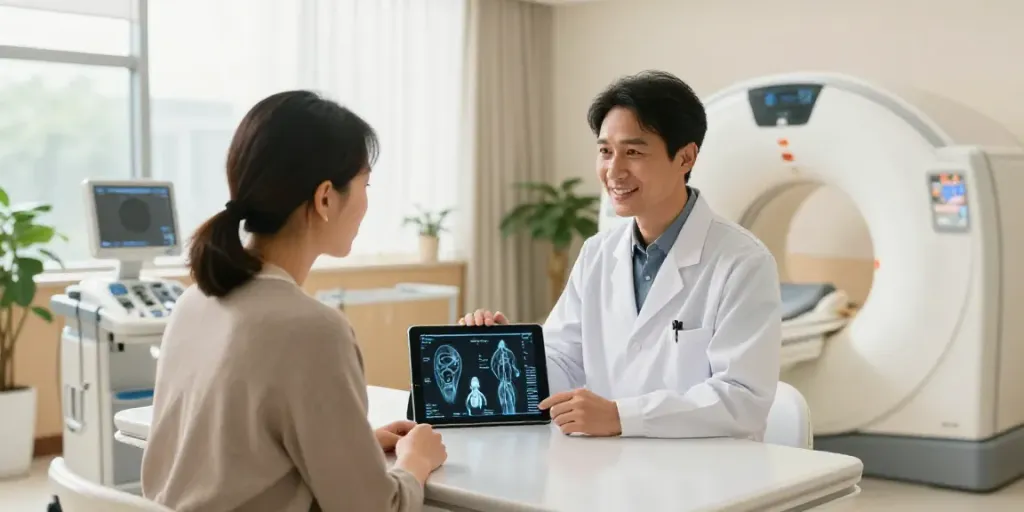
Effective treatment for thyroid disorders begins with accurate diagnosis, leveraging advanced diagnostic technologies available in the UAE. The Cleveland Clinic Abu Dhabi employs cutting-edge imaging and laboratory testing methods paired with a thorough clinical evaluation.
Advanced Imaging and Laboratory Tests
Imaging techniques such as thyroid ultrasound and Nuclear Medicine scans provide detailed visuals of the thyroid structure, assisting in the identification of nodules or tumors. Laboratory tests measure hormone levels, including Thyroid Stimulating Hormone (TSH), free T4, and T3, to confirm the diagnosis and determine the appropriate treatment protocols.
Importance of Comprehensive Evaluation
A comprehensive evaluation not only focuses on hormone levels but also considers patient history and reported symptoms. This holistic approach allows clinicians to distinguish between different types of thyroid disorders and tailor treatment accordingly.
Utilizing Patient History in Diagnosis
Patient history is an invaluable diagnostic tool. Past medical conditions, family history of thyroid disease, and lifestyle factors are all considered to provide a comprehensive understanding of the patient's health status. This detailed history facilitates better-targeted treatments and improves overall outcomes for patients.
Innovative Treatment Options Available in UAE
The evolving landscape of medical treatment in the UAE offers a variety of innovative therapies for thyroid disorders. From medications to advanced surgical techniques, patients have access to comprehensive care options tailored to their specific needs.
Medications and Hormone Replacement Therapy
For hypothyroidism, the primary treatment involves hormone replacement therapy using synthetic thyroxine. For hyperthyroidism, antithyroid medications or radioactive iodine therapy may be employed to manage excessive hormone production.
Surgical and Non-Surgical Approaches
In cases where nodules are symptomatic or cancerous, surgical intervention may be necessary. Non-surgical options, such as thyroid radiofrequency ablation, offer less invasive alternatives for managing large benign nodules. This procedure uses heat to shrink the nodule, alleviating symptoms without requiring extensive surgery.
Emerging Therapies and Clinical Trials
Clinical trials and emerging therapies are paving the way for new treatment modalities. Patients are encouraged to inquire about ongoing research opportunities that may offer cutting-edge treatment options beyond standard protocols.
Patient Experiences and Success Stories
Hearing from those who have navigated their thyroid treatment journeys can provide hope and encouragement for new patients. Success stories often highlight the effectiveness of comprehensive care and the dedication of healthcare teams.
Inspiring Recovery Journeys from Thyroid Disorders
Many patients have shared their journeys, highlighting how specialized treatment programs have transformed their quality of life. From overcoming debilitating symptoms to achieving remission, these narratives illustrate the potential for recovery.
Role of Support Groups in Treatment
Support groups play a vital role in the treatment process, providing a platform for patients to share experiences and coping strategies. These communities foster a sense of belonging, empowering individuals to manage their conditions more effectively.
Testimonials from Successful Treatments in UAE
Patients have expressed immense gratitude for the care received in the UAE, often noting the expertise of healthcare providers and the state-of-the-art facilities available. Their testimonials underscore the impact of effective treatment on their overall health and wellbeing.
Future Trends in Thyroid Disorders Treatment UAE and Beyond
The field of thyroid disorder treatment is rapidly advancing, with emerging trends shaping the future of patient care. Innovations in technology and personalized medicine are set to enhance diagnostic accuracy and treatment effectiveness.
Technological Advancements in Diagnosis and Treatment
Technological innovations, including artificial intelligence and machine learning, are being integrated into diagnostic protocols, enabling faster and more accurate assessments of thyroid conditions. These advancements promise to revolutionize patient care in the coming years, making diagnoses more efficient and personalized.
Patient-Centric Care Models for Improved Outcomes
Adopting patient-centric care models ensures that treatment plans align with individual patient needs and preferences. This approach emphasizes collaboration between healthcare providers and patients, fostering better communication and trust throughout the treatment process.
Predictions for Thyroid Health Management in 2026
As we look towards 2026, it is anticipated that advancements in research and technology will lead to even greater improvements in thyroid health management. Innovations in telemedicine, personalized therapies, and expanded access to clinical trials will play significant roles in enhancing patient outcomes.
What is the best treatment for thyroid disorders?
The best treatment for thyroid disorders varies by condition and individual patient needs. While medications and hormone replacement therapy are common for hypothyroidism, surgery may be necessary for more severe cases of thyroid cancer or hyperthyroidism.
How can I manage my thyroid health effectively?
Managing thyroid health effectively involves regular monitoring of hormone levels, maintaining a balanced diet, engaging in physical activity, and adhering to prescribed treatment plans. Patients are encouraged to communicate openly with their healthcare providers about any changes in symptoms.
What are the costs associated with thyroid disorders treatment in UAE?
The costs associated with thyroid disorder treatments in the UAE can vary widely based on the complexity of the condition and treatment protocols. Patients are advised to consult with their healthcare providers and insurance representatives for detailed information regarding potential financial implications.
Are there specialized centers for thyroid disorders in UAE?
Yes, numerous specialized centers across the UAE offer comprehensive care for thyroid disorders, featuring multidisciplinary teams that include endocrinologists, surgeons, and support staff dedicated to providing quality treatment.
What lifestyle changes can support thyroid health?
Adopting a healthy lifestyle can significantly impact thyroid health. Key changes include maintaining a balanced diet rich in iodine and selenium, managing stress, engaging in regular physical activity, and avoiding smoking and excessive alcohol consumption.