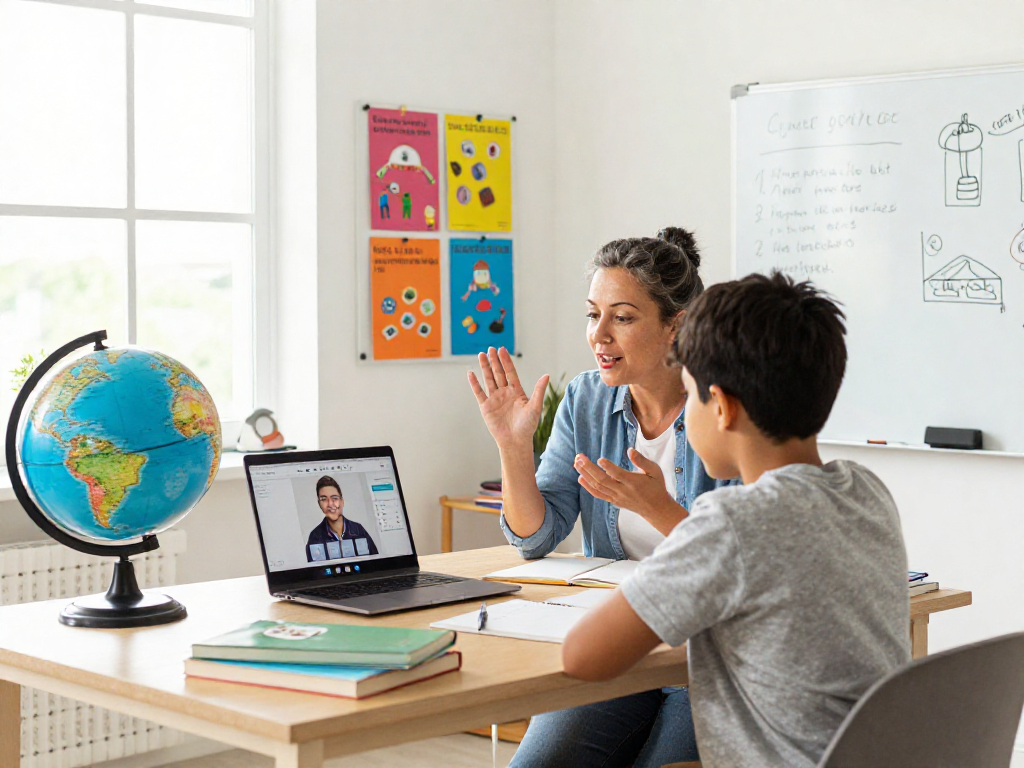
The Evolution of Tutoring: A 2026 Perspective
As we step into 2026, the landscape of education and tutoring is undergoing a seismic shift, driven by advancements in technology and a deeper understanding of effective learning methodologies. The role of the best tutors has transformed into a multifaceted approach, emphasizing personalized learning experiences that cater to the unique needs of each student. In this comprehensive article, we will explore the evolution of tutoring, the contrasting methods available, and the emerging trends that will shape the future of educational assistance.
Understanding the Role of Best Tutors Today
The best tutors today are not merely subject matter experts; they are facilitators of learning who use a variety of teaching methodologies to accommodate different learning styles. Their approach has evolved from traditional rote memorization to a more holistic understanding of student needs, fostering critical thinking, creativity, and problem-solving skills.
Incorporating elements like emotional intelligence and cultural responsiveness, today’s tutors create a supportive learning environment that can adapt to the pressures and challenges students face. This transformation also involves utilizing technology to bridge gaps and personalize the learning experience.
Comparing Online Tutoring vs Traditional Methods
The choice between online tutoring and traditional methods can significantly impact students’ learning outcomes. Online tutoring offers flexibility, accessibility, and a plethora of resources at the tip of one's fingers. With the advancement of platforms that provide interactive video lessons, students are no longer restrained by geographical barriers.
On the other hand, traditional methods provide face-to-face interaction that can foster deeper relationships between tutors and students, enhancing trust and motivation. However, the disparity in accessibility is significant, as not all students can travel to tutoring centers. The challenge lies in finding the right balance between these two methods to maximize educational benefits.
Future Trends in Educational Assistance
As we look ahead, several trends are poised to redefine the tutoring landscape. Artificial intelligence and machine learning will play a pivotal role in customizing learning experiences. By analyzing student performance data, AI can recommend tailored resources, adapting in real-time to each learner's pace and understanding.
Additionally, gamification in tutoring is on the rise, making learning more engaging and enjoyable. Through game-based learning, tutors can foster a competitive spirit and a desire for achievement while reinforcing educational content.
Benefits of Hiring the Best Tutors
Personalized Learning Experiences
One of the primary advantages of hiring the best tutors is the personalized approach they bring to education. Unlike traditional classroom settings, where a one-size-fits-all method often prevails, tutors can tailor lessons to fit individual learning styles and preferences. This personalized learning experience helps students grasp concepts more effectively and retain information longer.
By conducting thorough assessments and understanding a student's strengths and weaknesses, tutors can create a customized curriculum that focuses on areas needing improvement while also nurturing existing skills.
Boosting Academic Performance with Tailored Strategies
Academic performance is a critical concern for parents and students alike. The best tutors employ tailored strategies that address specific learning goals and aspirations. By implementing techniques such as spaced repetition and active recall, tutors can dramatically enhance a student’s retention and understanding of the material.
Furthermore, these strategies often involve real-world applications, helping students connect theoretical knowledge with practical scenarios, which greatly improves engagement and comprehension.
Enhancing Student Engagement and Motivation
Engagement is key to effective learning. The best tutors have the skills necessary to stimulate curiosity and motivate students through interactive lessons that promote active participation. By incorporating technology and hands-on activities, tutors can create a dynamic learning atmosphere that encourages exploration and inquisitiveness.
Moreover, personalized feedback and recognition of achievements significantly boost student confidence and motivation, paving the way for a positive educational journey.
Challenges of Choosing the Right Tutor
Identifying Qualifications and Expertise
Choosing the right tutor can be daunting, especially given the variety of qualifications and expertise available. It is essential for parents to conduct thorough research on potential candidates, including educational background, teaching experience, and specialized skills aligned with the student's needs.
Trusting referrals and testimonials can also guide the decision-making process, but it is vital to ensure that the tutor’s teaching style is compatible with the student's learning preferences.
Understanding Different Learning Styles and Needs
Every student is unique, and understanding individual learning styles is crucial when selecting a tutor. Some students may excel through visual aids, while others benefit from auditory or kinesthetic approaches. The best tutors can adapt their methods to cater to these diverse preferences, ensuring effective knowledge transfer.
Additionally, recognizing specific needs such as learning disabilities or anxiety-related challenges is vital in this selection process. The right tutor will be equipped with strategies to accommodate these hurdles, fostering a supportive learning environment.
Overcoming Common Misconceptions about Tutors
Misconceptions about tutoring can deter students and parents from seeking help, often due to stigmas surrounding the need for academic assistance. Some might view tutoring as an indication of failure or a lack of intelligence, when in reality, it is a proactive step towards academic success.
Educating families about the benefits, as well as the collaborative nature of tutoring, can dispel these myths. Emphasizing that seeking help shows initiative can encourage more students to take advantage of available resources.
Best Practices for Effective Tutoring
Setting Clear Learning Goals and Expectations
Establishing clear learning goals and expectations is essential for successful tutoring. Students and tutors should collaborate to outline achievable objectives, creating a roadmap for progress. This process not only provides clarity but also instills a sense of purpose and direction.
Regularly revisiting and adjusting these goals keeps the tutoring process dynamic and responsive to the student's evolving needs.
Utilizing Educational Technology for Enhanced Learning
Incorporating educational technology can significantly elevate the tutoring experience. Tools such as interactive whiteboards, educational apps, and online resources can enhance engagement and facilitate better understanding of complex subjects. The integration of these technologies allows tutors to present information in varied formats, accommodating different learning preferences.
Furthermore, technology can facilitate remote access, enabling students to connect with top tutors regardless of location.
Regular Assessment and Feedback Mechanisms
Regular assessments are vital in gauging a student's progress and identifying areas requiring further attention. The best tutors implement continuous feedback mechanisms, allowing students to understand their strengths and areas for improvement. This feedback loop fosters an environment of growth and accountability.
Encouraging self-assessment can also empower students, helping them take ownership of their learning journey and drive their academic success.
What to Expect in the Future of Tutoring
Emerging Technologies Shaping Learning Environments
The future of tutoring will be heavily influenced by emerging technologies. Virtual reality (VR) and augmented reality (AR) are anticipated to become significant educational tools, offering immersive learning experiences that engage students on a deeper level.
Moreover, the integration of adaptive learning systems can provide instant feedback and personalized learning paths, ensuring that students receive the support they need precisely when they need it.
Predictions for the Tutoring Industry in 2026
As we look to 2026, we foresee a marked increase in demand for online tutoring services, expanding access to quality education across diverse demographics. Tutors will need to be equipped with both pedagogical skills and technological proficiency to remain competitive in this evolving landscape.
Moreover, the role of tutors will likely shift towards mentorship, where they not only impart knowledge but also provide emotional support and guidance, helping students navigate their academic journeys and future aspirations.
Advice from Experts on Choosing Best Tutors
Experts recommend conducting thorough research and interviews when selecting a tutor. Understanding the tutor's approach, methodology, and adaptability to your child’s specific needs is crucial. Additionally, fostering open communication with both student and tutor will ensure a productive learning relationship.
Ultimately, the right tutor can make a significant difference in a student's academic journey, offering support, guidance, and expertise that aligns with their learning objectives.