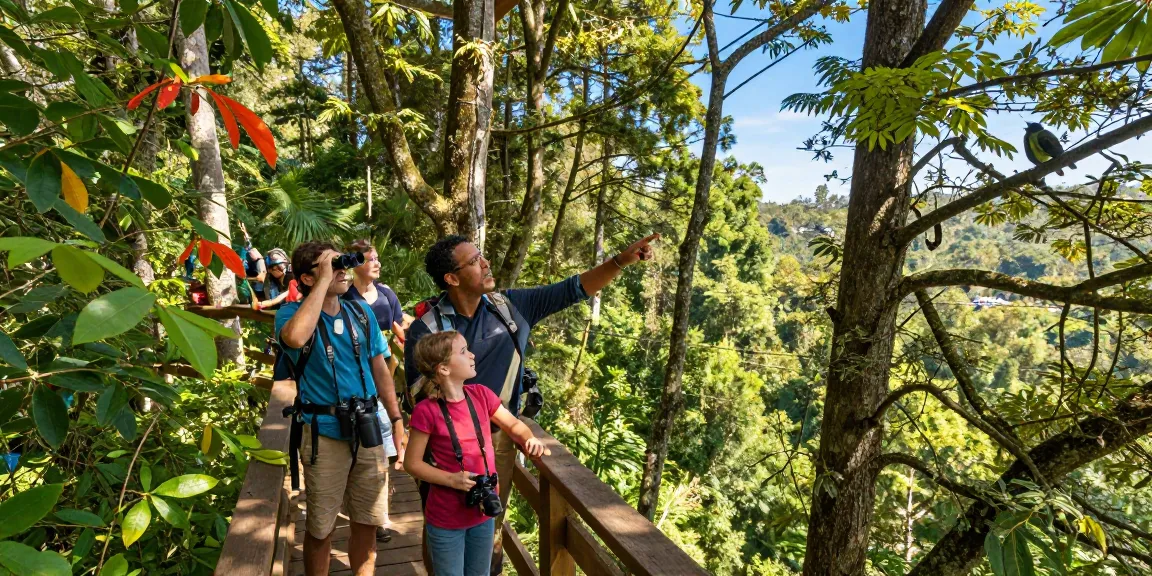
Understanding the Treetop Walkway Experience
Walking among the treetops offers a unique perspective on nature that few experiences can match. With the sun filtering through leaves and the sound of birds chirping all around, a Treetop Walkway provides visitors with an immersive experience high above the forest floor. From elevated pathways to stunning vistas, these walkways blend adventure with the serenity of nature, appealing to anyone looking to reconnect with the great outdoors.
What is a Treetop Walkway?
A treetop walkway is an elevated structure, often constructed from wood or metal, that allows visitors to walk among the trees at canopy level. Designed with an emphasis on minimal environmental impact, these walkways give access to the lush habitat of the forest's upper layers while providing breathtaking views of the landscape and its inhabitants. Each walkway typically varies in height, length, and design, offering different experiences depending on the location.
The Benefits of Walking Above the Canopy
Stepping onto a treetop walkway allows an up-close look at wildlife and plant life rarely seen from the ground. Visitors can experience:
- Unique Wildlife Observations: Many animals tend to inhabit the treetops, offering excellent opportunities for bird watching and glimpsing small mammals.
- Educational Insights: Many treetop walkways are part of larger nature reserves or parks, often featuring educational signage that teaches visitors about the ecosystem and its inhabitants.
- Physical Activity: Enjoying a stroll high above ground can serve as a delightful form of exercise, with some pathways leading to rugged terrain that can offer a good workout.
Who Can Enjoy a Treetop Walkway?
Treetop walkways are designed to be accessible to a wide range of visitors, from families with young children to nature enthusiasts of all ages. Many walkways feature gentle ramps, sturdy railings, and clear pathways to ensure safety and comfort while navigating the heights. However, it is always advisable for visitors to check the specific accessibility options available at their chosen location.
Top Treetop Walkways to Explore in 2026
Notable Locations Around the World
Globally, there are numerous treetop walkways that have garnered attention for their unique designs and stunning locations. Some notable examples include:
- The Treetop Walkway at Royal Botanic Gardens, Kew: Located in London, this walkway elevates visitors 18 metres above ground amidst a rich collection of plants.
- The Wild Walk at The Wild Center, USA: Here, visitors can explore an array of interactive structures that allow for close-up views of the Adirondack forest.
- Murch Canopy Walk at Holden Arboretum, USA: This impressive 500-foot-long walkway offers a serene experience, rising 65 feet above the forest floor.
Unique Features of Each Walkway
Each treetop walkway typically boasts unique architectural features or nearby attractions, such as:
- Suspension Bridges: A common feature that allows for thrilling experiences as visitors sway gently with the breeze.
- Observation Towers: These structures provide panoramic views of surrounding landscapes and can be a perfect spot for photography.
- Interactive Displays: Many locations include educational installations that provide information about the flora and fauna visible from the walkway.
Visitor Experience and Accessibility
The visitor experience at treetop walkways often includes guided tours, informative signage, and even workshops focused on nature education. Accessibility features are increasingly common, such as ramps and designated paths designed for strollers and mobility aids. Many walkways also offer amenities like rest areas and picnic spots to enhance the experience.
Planning Your Visit to a Treetop Walkway
Essential Tips for First-Time Visitors
Before heading to a treetop walkway, consider these tips:
- Check the Weather: Clear days provide the best visibility and comfort for walking.
- Arrive Early: If the walkway is popular, arriving early can help avoid crowds.
- Dress Comfortably: Wear appropriate footwear, as some walkways might require a bit of hiking.
What to Bring for a Safe Adventure
When visiting a treetop walkway, ensure you have the following:
- Water: Stay hydrated, especially if you are planning extensive walking.
- Camera: Capture those breathtaking views and unique wildlife encounters.
- Sunscreen and Insect Repellent: Protect yourself from sunburn and bugs, particularly in warmer months.
Best Times to Visit for Optimal Experience
The ideal time for visiting treetop walkways is usually during spring and autumn when the weather is mild, and the foliage is particularly stunning. Early mornings or late afternoons can provide the best light for photography and a more tranquil atmosphere.
Conservation and Environmental Impact of Treetop Walkways
How Treetop Walkways Promote Eco-Tourism
Treetop walkways serve as an excellent example of eco-tourism. They provide an opportunity for people to connect with nature without disturbing the ecosystem. Many walkways are developed with sustainable materials and designed to minimize land impact, allowing wildlife habitats to thrive unhindered.
Community Involvement and Conservation Efforts
Local communities often play a crucial role in the maintenance and promotion of treetop walkways. Many initiatives involve local residents in conservation efforts, helping to preserve the environment and educate visitors about sustainable practices.
The Future of Sustainable Adventure Travel
As eco-tourism continues to grow, treetop walkways are likely to become even more popular. Future designs may incorporate advanced technology to enhance visitor engagement while supporting conservation efforts and environmental education.
Frequently Asked Questions About Treetop Walkways
What is the best Treetop Walkway for families?
Many walkways cater to families, with amenities like strollers and kid-friendly educational opportunities. Researching the accessibility features of various walkways will help identify which is best suited for your family's needs.
Are Treetop Walkways safe for children?
Yes, most treetop walkways are designed with safety as a priority, featuring sturdy railings and safety measures. However, parents should always supervise their children, especially in high places.
How long does a typical Treetop Walk take?
The duration of a walk can vary greatly, typically ranging from 30 minutes to over an hour, depending on the length of the walkway and the visitor's pace.
Can you photograph wildlife from a Treetop Walkway?
Absolutely! Treetop walkways offer an excellent vantage point to observe and photograph wildlife, so be sure to bring a camera with a zoom lens for the best results.
Are there age or height restrictions for Treetop Walks?
Restrictions can vary by location, so it’s best to check with each individual walkway regarding their policies on age and height for visitors.