Understanding Facial Analysis Technology
In a rapidly evolving digital world, the beauty and skincare industry is witnessing groundbreaking innovations that leverage technology for personalized care. Facial analysis technology stands at the forefront of this revolution, providing users with detailed insights into their facial structure, skin health, and aesthetic potential. As consumers increasingly seek data-driven solutions to enhance their appearance, platforms like ClinicEvo and QOVES have emerged as leading players in the field. When exploring options, ClinicEvo vs QOVES provides comprehensive insights into these innovative services, allowing users to make informed decisions about their beauty journeys.
What is ClinicEvo vs QOVES?
ClinicEvo and QOVES are two prominent platforms specializing in facial analysis, but they cater to slightly different audiences and needs. ClinicEvo focuses on empowering users by offering a highly personalized experience that combines artificial intelligence and computer vision technology for a tailored aesthetic assessment. Users are provided with a report that includes actionable insights and recommendations based on their unique facial features.
In contrast, QOVES is widely recognized for its comprehensive facial analysis reports, which delve into various aspects of facial aesthetics, including proportion, symmetry, and potential enhancements. Users of QOVES benefit from a detailed breakdown of their facial features along with suggestions for improvement, making it a popular choice for those looking for in-depth analysis.
How Facial Analysis Works
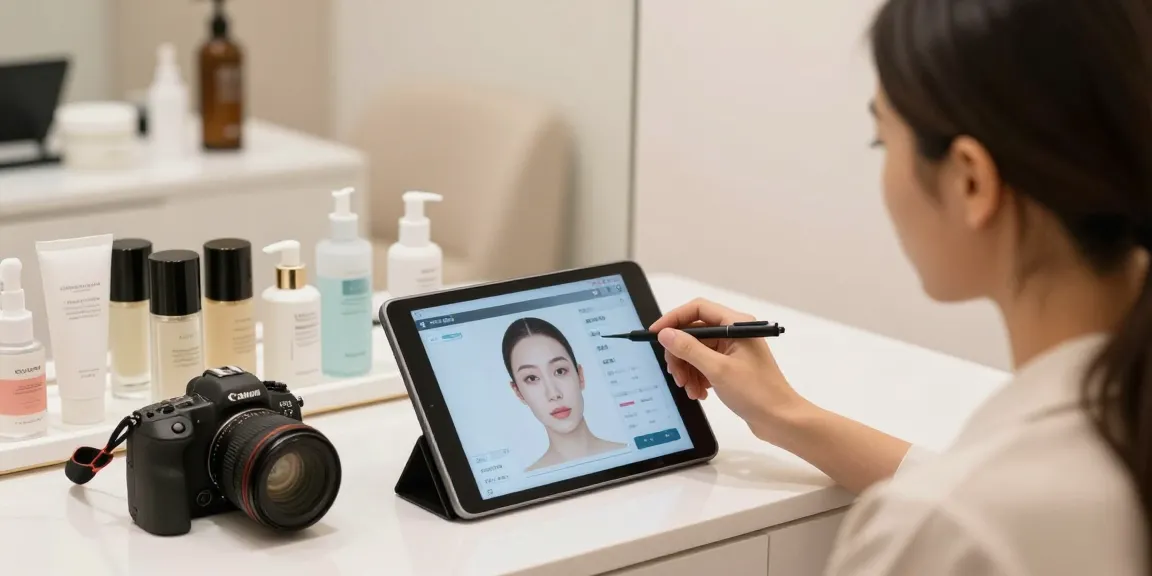
Facial analysis technology utilizes advanced algorithms to evaluate facial features. By capturing images of the face, both ClinicEvo and QOVES analyze symmetry, proportions, and other critical attributes. These evaluations are then translated into data-driven reports that guide users in making informed decisions about their beauty routines and possible enhancements.
The analysis process typically involves the following steps:
- Image Capture: Users upload clear images of their faces, preferably under good lighting conditions.
- Algorithm Evaluation: The platforms employ AI algorithms to analyze the facial characteristics, identifying areas of strength and potential improvement.
- Report Generation: Users receive detailed reports outlining their facial features and personalized recommendations for skincare or aesthetic treatments.
Benefits of Facial Analysis for Personalization
One of the most significant advantages of facial analysis technology is its ability to offer highly personalized recommendations based on individual features. This tailored approach ensures that users are not just following generic beauty trends but are instead receiving advice that caters specifically to their unique facial structure and skin type.
Some benefits include:
- Targeted Skincare: Users can receive suggestions on specific products that address their skin concerns, enhancing overall skin health.
- Confidence Boost: Understanding one's facial structure can empower individuals, helping them feel more confident in their appearance.
- Aesthetic Awareness: Users gain insights into their facial symmetry and proportions, which can help them make more informed decisions regarding cosmetic procedures or enhancements.
Comparative Insights: ClinicEvo vs QOVES
Core Features of ClinicEvo
ClinicEvo stands out for its user-friendly interface and comprehensive approach to facial analysis. Key features include:
- AI-Powered Assessments: Utilizing machine learning, ClinicEvo delivers precise and detailed reports that adapt to the user's specific facial characteristics.
- Personalized Recommendations: The platform offers tailored skincare and aesthetic advice based on individual analysis results.
- User Control: ClinicEvo emphasizes user autonomy, allowing individuals to own their look and make personalized decisions regarding their skincare and aesthetic goals.
Core Features of QOVES
QOVES has been lauded for its in-depth facial analysis capabilities, attracting users seeking detailed aesthetic assessments. Its core features include:
- Extensive Reports: QOVES provides comprehensive reports that analyze various aspects of facial aesthetics, including skin health, facial symmetry, and proportions.
- Research-Backed Insights: Many of the recommendations are grounded in scientific research, ensuring users receive credible advice.
- Community Feedback: QOVES encourages user interaction, allowing individuals to share their experiences and results within a supportive community.
Comparing User Experiences
User experiences play a significant role in identifying the strengths and weaknesses of both platforms. Feedback from actual users can provide valuable insights into the effectiveness of the analyses and the applicability of the recommendations made by each service.
Users of ClinicEvo frequently highlight the platform's ease of use and personalized approach, which empowers them to take charge of their beauty journey. In contrast, QOVES users often appreciate the thoroughness of the reports and the community aspect that fosters engagement and shared experiences. However, some users may find the overwhelming amount of information in QOVES reports to be a bit too detailed for their liking.
Impact of User Feedback on Facial Analysis
Reviews and Testimonials for ClinicEvo
ClinicEvo boasts positive reviews focusing on its user-centric design and personalized recommendations. Customers appreciate the actionable insights they receive, often reporting significant improvements in their skincare routines after implementing the suggestions provided in their reports. Testimonials have emphasized how these personalized recommendations have led to visible enhancements in skin quality and overall satisfaction with their appearance.
Reviews and Testimonials for QOVES
QOVES users have generally expressed satisfaction with the depth of analysis provided. Many testimonials underline the usefulness of the detailed reports and how the insights have impacted their self-perception. Users often cite the community forums as a significant aspect of their experience, allowing them to connect with others on similar aesthetic journeys.
What Users Value Most
Across both platforms, users prioritize accuracy, depth of analysis, and personalized recommendations. The ability to receive tailored advice based on their unique facial structures is a crucial factor in their satisfaction. Additionally, the community aspect of QOVES attracts users looking for a support network during their beauty journeys, while the simplicity and user-friendliness of ClinicEvo appeals to those seeking straightforward solutions.
Best Practices for Maximizing Analysis Results
Preparing for Your Facial Analysis Session
To get the most out of a facial analysis session, users should follow certain best practices. These include:
- High-Quality Images: Ensure that the images uploaded are clear and well-lit, as the accuracy of the analysis depends significantly on the quality of the images.
- Consistency: When submitting multiple images, maintain consistent angles and lighting to allow for accurate comparisons.
- Honesty in Self-Assessment: Users should be honest about their skincare routines and facial concerns to ensure that the analysis reflects their true conditions.
Interpreting Your Analysis Results Effectively
Once users receive their analysis reports, understanding the results is crucial. Here are some tips for effective interpretation:
- Familiarize Yourself with Terminology: Take the time to understand the jargon used in the reports. Familiarity can enhance comprehension and allow for better implementation of the recommendations.
- Focus on Key Insights: Identify the most critical insights that directly impact your skincare and aesthetic goals.
- Seek Professional Advice: If certain aspects of the report are unclear, consider consulting a skincare or aesthetic professional for clarification and guidance.
Implementing Recommendations for Best Outcomes
Successfully implementing the recommendations from your analysis reports is essential for achieving desired results. Here are some practical steps:
- Set Realistic Goals: Establish achievable beauty goals based on the recommendations and your unique features.
- Track Progress: Monitor changes in your skin and appearance over time to assess whether the recommendations are effective.
- Adjust as Necessary: Be flexible in modifying your approach based on your experiences and feedback from professionals.
Future Trends in Skincare Technology for 2026
Emerging Technologies in Facial Analysis
As technology continues to advance, the landscape of facial analysis is set to evolve significantly. Emerging trends include:
- Augmented Reality (AR) Integration: Platforms may begin to incorporate AR features, enabling users to visualize potential changes before making decisions.
- Enhanced AI Algorithms: Continued improvements in AI will lead to even more accurate predictions and recommendations tailored to individual users.
- Teledermatology: The integration of virtual consultations with dermatologists or aesthetic professionals alongside analysis reports could significantly enhance user experience.
Predictions for User Engagement and Satisfaction
As the demand for personalized skincare solutions grows, user engagement is expected to rise. Platforms that foster community interactions and provide ongoing support will likely see higher satisfaction levels. Enhanced communication channels, such as real-time feedback and prompts for follow-up consultations, may further improve the user experience.
Innovations to Watch in Skincare
Looking ahead, several innovations are poised to transform the skincare industry:
- Personalized Skincare Products: Companies may develop bespoke skincare formulations tailored to individual analysis results, offering unique solutions to skin concerns.
- Holistic Health Recommendations: Future analyses could integrate overall health assessments, incorporating lifestyle factors like diet and hydration into skincare recommendations.
- AI-Powered Skin Tracking: Advanced tracking technology may allow users to monitor their skin health over time, providing dynamic recommendations as their skin evolves.
What are the key differences between ClinicEvo and QOVES?
The main differences between ClinicEvo and QOVES lie in their respective approaches to facial analysis and user engagement. ClinicEvo emphasizes a user-friendly, personalized experience, allowing individuals to take control of their aesthetic journey. In contrast, QOVES offers in-depth analysis catered to those seeking a detailed understanding of their facial features, along with community interactions that enhance the user experience.
Can I get personalized skincare recommendations with ClinicEvo?
Yes, ClinicEvo is designed to provide personalized skincare recommendations tailored to each user's facial analysis. Based on the unique features assessed, users receive actionable insights that can guide their skincare and beauty choices.
How does user feedback affect the services offered by QOVES?
User feedback significantly impacts QOVES's services, as the platform utilizes reviews and testimonials to refine its offerings continually. The community-driven nature of QOVES fosters a responsive environment where user insights directly inform improvements to the analysis process.
What should I expect during a facial analysis session?
During a facial analysis session, users can expect a straightforward process involving the capturing of images and the generation of a detailed report. The experience is typically user-friendly, with clear instructions provided throughout the session.
Are there any upcoming innovations in facial analysis technology?
Yes, the field of facial analysis technology is constantly evolving. Innovations in AI, AR, and telemedicine are expected to enhance the user experience, making analyses more accessible and effective in the near future.