Understanding the Pour-Over Coffee Method
The pour-over coffee brewing method offers coffee enthusiasts a chance to craft their cup with precision and care. Unlike automated brewing systems, pour-over allows for manual control over several variables, enhancing both the flavor and aroma of the coffee. This artisanal approach not only respects the coffee beans but also the craftsmanship involved in creating a perfect cup. For those looking to elevate their brewing experience, tools and accessories that emphasize sustainability, like the innovative offerings at www.ebbfilter.com, can significantly improve your technique.
What is Pour-Over Coffee?
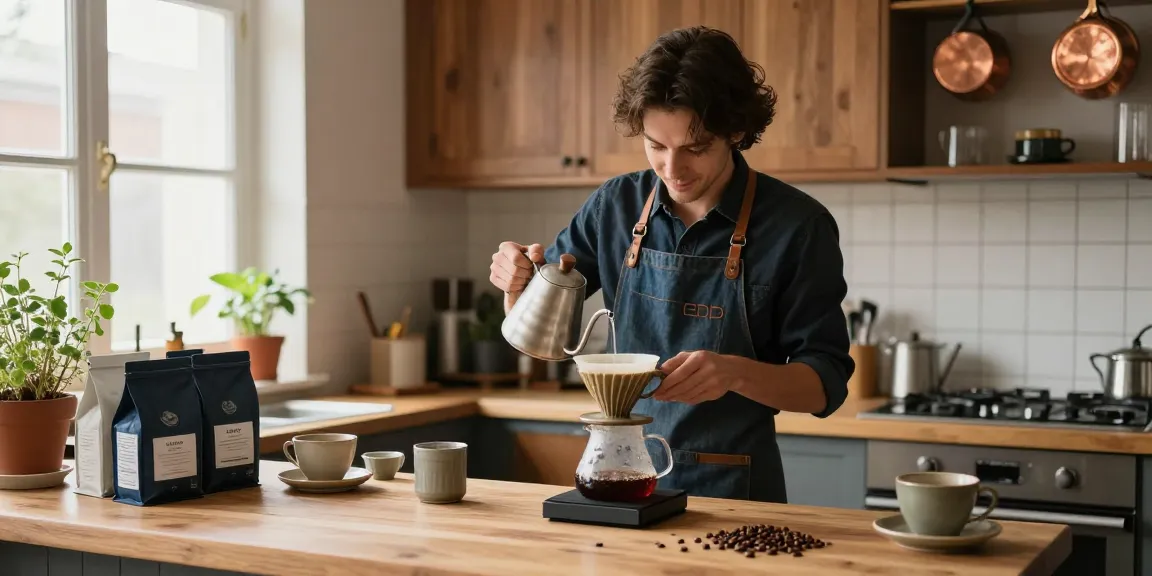
Pour-over coffee is a manual brewing method that involves pouring hot water over coffee grounds in a filter. The water then passes through the grounds and filter, extracting flavors and oils, and drips into a carafe or cup below. This method is celebrated for its ability to highlight the nuanced flavors in various coffee beans, making it a favorite among coffee purists.
The Science Behind Perfect Brewing
Perfect brewing involves several scientific principles, including water temperature, grind size, and brew time. The ideal water temperature for brewing pour-over coffee typically ranges from 195°F to 205°F. Grind size should be medium-fine to facilitate optimal extraction. Additionally, a brew time of approximately three to four minutes allows for the best flavor to be extracted from the coffee grounds.
Common Mistakes to Avoid
Many beginners fall into the trap of using water that’s too hot, which can scorch the coffee grounds, resulting in a bitter flavor. Another common mistake is using the wrong grind size; too coarse or too fine can disrupt the extraction process. Lastly, failing to saturate the coffee grounds evenly can lead to an uneven extraction. Mastering these elements will significantly enhance your pour-over experience.
Choosing the Right Equipment
Investing in quality equipment is crucial for the art of pour-over coffee. A good pour-over dripper, such as a Chemex or Hario V60, offers excellent filtration and control over the brewing process. Additionally, using reusable filters, like those from Ebb, not only contributes to sustainability but also maintains a clean flavor profile. With the right equipment in hand, your daily coffee routine can become a delightful ritual.
Essential Coffee Gear for Beginners
For those new to the pour-over method, a basic kit should include a pour-over dripper, a gooseneck kettle for precision pouring, a coffee grinder, and a scale. Starting with these essentials will set the foundation for a successful brewing experience. As you develop your skills, you can explore advanced equipment that suits your taste preferences.
Upcycled Denim Aprons: Function Meets Sustainability
Incorporating sustainability into your coffee ritual can be as simple as wearing an upcycled denim apron. Each apron tells a story, made from materials that are not only functional but also environmentally conscious. These aprons provide protection from spills while adding a unique touch to your coffee-making experience, whether you’re brewing at home or in a professional setting.
High-Quality Filters and Brewing Tools
Utilizing high-quality filters is essential for achieving optimal flavor extraction in pour-over coffee. Ebb’s reusable filters are designed to provide a clean taste while being easy to clean and maintain. Pairing these filters with high-grade coffee beans and proper brewing tools will elevate your coffee experience significantly.
Mastering Brewing Techniques
Perfecting your brewing technique is a rewarding journey that combines science and art. With practice, you can fine-tune the variables to achieve your desired flavor profile, making each cup uniquely yours.
Step-by-Step Guide to Brewing
- Start by measuring your coffee—typically, a coffee-to-water ratio of 1:16 is recommended.
- Grind the coffee to a medium-fine consistency, akin to table salt.
- Heat water to the recommended temperature, between 195°F and 205°F.
- Place the filter in the dripper, then rinse it with hot water to eliminate paper taste and preheat the dripper.
- Add the ground coffee into the filter and create a small well in the center.
- Begin pouring water in a circular motion, allowing a bloom phase of 30 seconds for gases to escape before continuing to pour.
- Pour evenly until the desired amount of water has been added, ensuring a steady flow.
- Allow the coffee to fully drip before removing the dripper and enjoying.
Adjusting Variables for Best Flavor
Experimentation is key in achieving the perfect brew. Adjusting the grind size, water temperature, and brewing time can all impact flavor. For instance, a finer grind may yield a stronger, more robust cup, while a coarser grind can produce a milder flavor. Take notes on your process and results to refine your technique.
Real-World Brewing Examples
Many coffee aficionados have shared their unique methods, each with varying results. For example, some prefer a slower pour to enhance extraction, while others may favor a quicker method that yields a lighter profile. Engaging with fellow coffee lovers for feedback and tips can inspire you to try new techniques.
Enhancing Your Coffee Experience
Enhancing your coffee ritual extends beyond brewing. The aromas, flavors, and environment all contribute to a holistic coffee experience.
Pairing Coffee with Delicious Treats
Pairing your brew with complementary foods enhances the tasting experience. Rich, dark chocolate, buttery croissants, or fruit scones work well with various coffee profiles. Experiment with different combinations to discover pairings that excite your palate.
Creating a Coffee-Tasting Environment
Setting the mood for your coffee tasting can elevate the experience. Consider using soft lighting, soothing music, and even a minimalist setup to keep the focus on the flavors. Engaging your senses through an inviting atmosphere can transform a simple coffee break into a delightful ritual.
Events and Workshops for Coffee Lovers
Attending coffee workshops and tasting events can broaden your understanding and appreciation of coffee. These gatherings provide opportunities to learn from experts, taste unique brews, and engage with a community of fellow enthusiasts. Such experiences not only deepen your knowledge but can also introduce you to the latest trends in the coffee world.
Future Trends in Coffee Brewing and Sustainability
The coffee industry is evolving rapidly, with sustainability becoming a central theme. As consumers become more environmentally conscious, the demand for sustainable practices and products is expected to escalate.
Emerging Techniques and Innovations
From advanced brewing technology to innovative farming practices, the coffee landscape is witnessing exciting changes. New methods, such as cold brew and nitro coffee, are gaining popularity, while traditional techniques see a revival with modern twists. Keeping abreast of these trends can enhance your coffee journey.
The Role of Sustainability in Coffee Culture
As sustainability takes center stage, coffee producers are adopting eco-friendly practices, from sourcing beans ethically to implementing waste-reduction strategies. Consumers are increasingly seeking brands that prioritize sustainability, making it essential for the industry to adapt.
Preparing for the Coffee Landscape of 2026
As we look ahead to 2026, the coffee sector will likely witness further innovation in both product offerings and sustainability initiatives. Staying informed about these developments can help you adapt your brewing techniques and preferences to align with new practices, ensuring a fulfilling experience.
What are the benefits of using reusable coffee filters?
Reusable filters, such as those offered by Ebb, reduce waste and contribute to a more sustainable coffee practice. They also provide a cleaner taste, as they do not impart any paper or plastic flavors into your brew.
How can I brew pour-over coffee effectively?
Effectively brewing pour-over coffee requires attention to detail, including the right grind size, precise water temperature, and an understanding of the pour technique. Monitoring these factors will help you achieve a consistently great cup.
Why choose upcycled materials for kitchen textiles?
Choosing upcycled materials for kitchen textiles, like aprons, minimizes waste and promotes sustainability. These products often have unique aesthetic qualities and stories behind them, making them both functional and fashionable.
What makes Ebb filters unique?
Ebb filters are designed not only for sustainability but also for performance, providing exceptional filtration without sacrificing flavor. Their innovative design elevates the brewing experience while adhering to eco-friendly principles.
How can I stay updated on coffee brewing trends?
Following industry leaders on social media, subscribing to coffee blogs, and participating in workshops and events are great ways to stay informed about the latest brewing techniques and trends in coffee culture.