Understanding Water Heater Replacement in Fort Worth
Water heater replacement is a significant home improvement that many homeowners in Fort Worth face at some point. Whether due to age, efficiency concerns, or sudden breakdowns, recognizing the need for a reliable water heating system is essential. For residents of Fort Worth, understanding the intricacies of this process is vital for making informed decisions. When exploring options, water heater replacement Fort Worth provides comprehensive insights into choosing the right water heating solutions tailored to local needs.
What is Water Heater Replacement?
Water heater replacement involves removing an old or malfunctioning water heater and installing a new one. This process is crucial for ensuring that your home has a reliable supply of hot water for daily activities, such as bathing, cooking, and cleaning. The replacement can be a straightforward task; however, it requires careful consideration of various factors, including the type of heater, size, and energy efficiency. Understanding these aspects can lead to better performance and longer lifespan for your new unit.
Key Signs You Need a Replacement
Recognizing when it's time to replace your water heater is essential to avoid unexpected cold showers or water damage. Here are a few key signs that indicate it might be time for a replacement:
- Age: Most traditional water heaters last between 8-12 years. If your unit is approaching or has surpassed this age, consider a replacement.
- Rusty Water: If your hot water has a rusty tint, it could signify corrosion inside the tank.
- No Hot Water: Inconsistent or insufficient hot water production can mean your water heater is failing.
- Strange Noises: Banging or popping sounds might indicate sediment buildup, suggesting it may be time for a new system.
Benefits of Upgrading Your Water Heater
Upgrading to a new water heater can provide numerous benefits, including improved efficiency, lower energy bills, and enhanced performance. Modern water heaters come with advanced features such as improved insulation and energy-efficient heating elements. Additionally, many new models qualify for energy savings rebates or tax credits, further offsetting replacement costs. Upgrading also provides peace of mind, knowing that you have a reliable and safe system in place.
Choosing the Right Water Heater
Types of Water Heaters Available
When it comes to choosing a new water heater, several types are available, including:
- Tank water heaters: These are the most common type and typically range from 20 to 80 gallons in capacity.
- Tankless water heaters: These provide hot water on demand and are more energy-efficient but often require a higher initial investment.
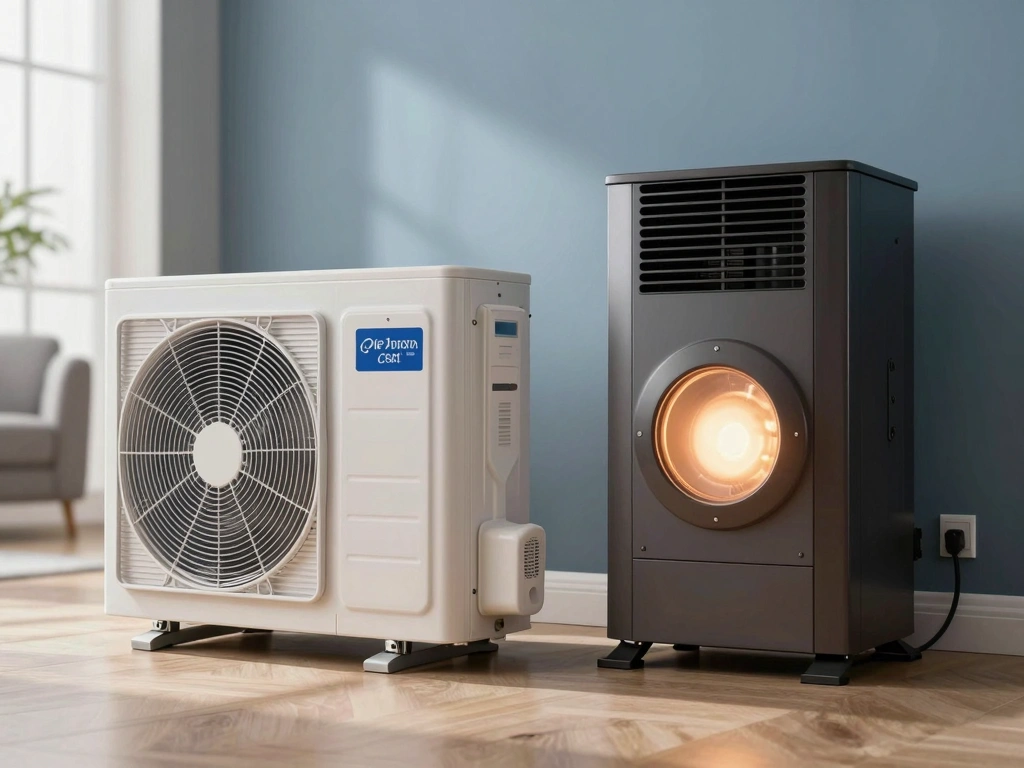
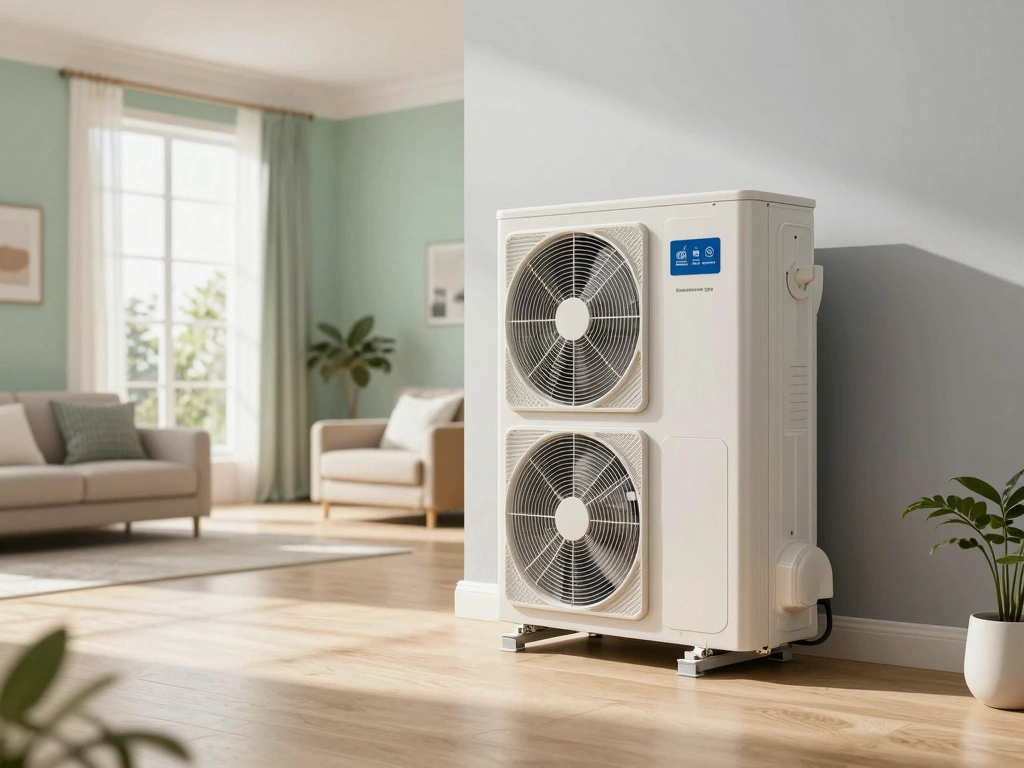
- Heat pump water heaters: These use electricity to move heat from one place to another, making them a highly efficient choice.
- Solar water heaters: Utilizing solar panels, these systems can significantly reduce energy costs, although they may require more maintenance.
How to Determine the Right Size for Your Home
Choosing the right size water heater is crucial for ensuring adequate supply without wasting energy. Factors to consider include:
- The number of occupants in your home.
- Your household’s peak hot water demand, such as simultaneous showers and laundry.
- The type of water heater you select, as tankless models can provide continuous hot water.
A professional plumber can help assess your needs and recommend the appropriate size based on these factors.
Energy Efficiency Considerations in 2026
Energy efficiency is an increasingly important factor in water heater replacement. As of 2026, new regulations are likely to impose stricter efficiency standards. Homeowners can expect to see more high-efficiency models on the market, including those that meet the ENERGY STAR® ratings. Upgrading to an energy-efficient model not only reduces your carbon footprint but also translates into lower utility bills over time.
The Replacement Process Explained
Steps Involved in Water Heater Replacement
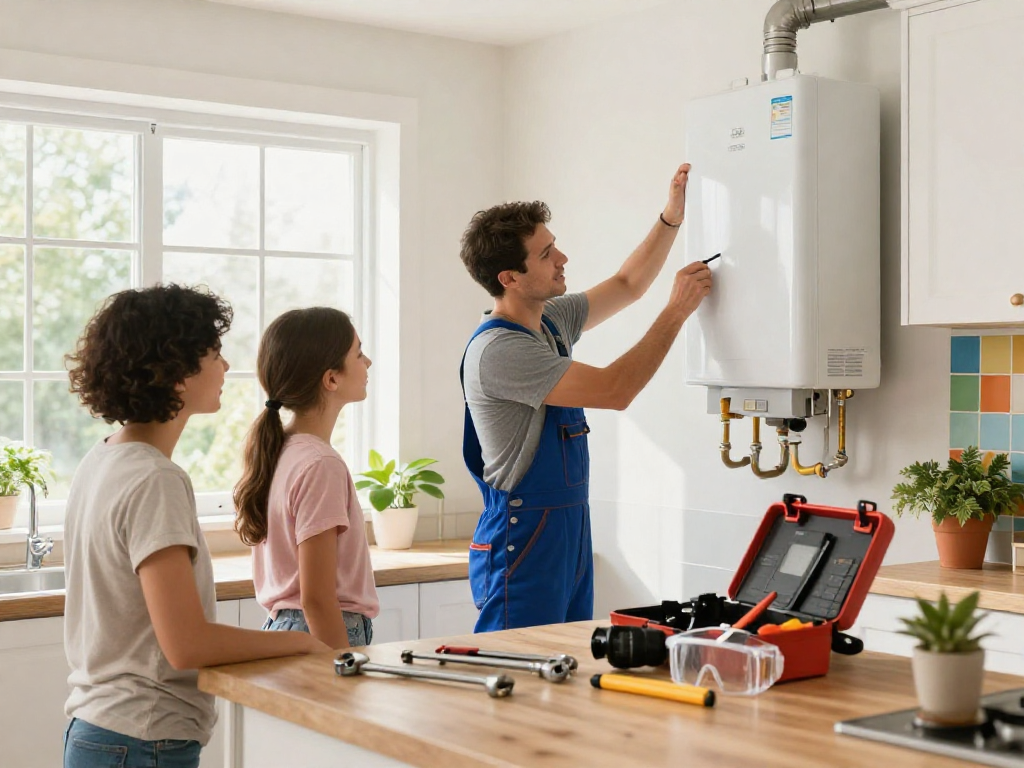
The process of replacing a water heater generally involves the following steps:
- Assessing the Old Unit: Determine whether it can be repaired or needs replacement.
- Selecting a New Heater: Choose the right type and size that meets your needs.
- Preparing the Installation Site: Ensure the area is clear and safe for installation.
- Removing the Old Heater: This involves draining the tank and disconnecting it from the plumbing and power source.
- Installing the New Heater: Connect the new unit, ensuring all fittings and plumbing adhere to local codes.
- Testing the System: Once installed, check for leaks and test the unit to ensure it operates correctly.
Tools You’ll Need for the Job
Replacing a water heater requires specific tools to ensure proper installation:
- Pliers and wrenches for plumbing connections.
- Pipe cutter for cutting old pipes.
- Drill and drill bits for mounting the unit.
- A multimeter to check electrical connections.
- A level to ensure proper installation.
Common Challenges and How to Overcome Them
Despite preparation, challenges can arise during the replacement process. Some common issues include:
- Corroded Pipes: Use penetrating oil or heat to loosen damaged fittings.
- Inadequate Space: Ensure you have enough room for the new heater and access for maintenance.
- Electrical or Gas Hookups: If you are not comfortable working with electricity or gas, hire a professional for safety.
Cost Factors for Water Heater Replacement in Fort Worth
Average Costs of Different Types of Heaters
The cost of replacing a water heater in Fort Worth varies significantly based on the type of heater you choose:
- Tank water heaters: Typically range from $800 to $1,500, including installation.
- Tankless water heaters: Prices can range from $1,000 to $3,000, depending on the model and installation complexity.
- Heat pump models: Generally range from $1,200 to $2,500.
- Solar water heaters: Can vary widely, often costing between $3,000 to $5,000 after installation.
Assessing Installation Costs
Installation costs can also vary based on factors such as:
- The complexity of the job and any necessary modifications to your plumbing or electrical systems.
- Your geographical location within Fort Worth.
- Labor rates charged by professionals in your area.
Always obtain multiple quotes from contractors to ensure competitive pricing.
Financing Options for Homeowners
If upfront costs are a concern, several financing options are available for homeowners. Many plumbing companies offer payment plans or financing options that can make the replacement more manageable. Additionally, consider looking into personal loans or home improvement loans that can provide the necessary funds upfront.
Maintenance Tips to Extend Your Water Heater's Life
Regular Maintenance Practices
Proper maintenance can significantly extend the life of your water heater. Consider implementing the following practices:
- Regularly flushing the tank to remove sediment buildup.
- Inspecting the anode rod annually and replacing it if necessary.
- Testing the pressure relief valve to ensure it is functioning correctly.
Signs of Malfunctioning Water Heaters
Be vigilant for signs that your water heater may be malfunctioning, such as:
- Leaking water around the base of the unit.
- Unusual noises that were previously absent.
- Inconsistent water temperature.
Addressing these issues early can prolong the unit's life and prevent costly repairs or replacements.
Future Trends in Water Heater Technology
As we progress through 2026, expect to see advancements in water heater technology that enhance energy efficiency and user convenience. Innovations may include:
- Smart water heaters that allow remote monitoring and management via smartphone apps.
- Increased integration of renewable energy sources, such as solar power.
- Enhanced insulation technology to reduce standby heat loss.
What are the most common issues with water heater replacements?
The most common issues can include incorrect sizing, not accounting for local building codes, and poor installation techniques. Engaging a professional can help mitigate these risks and ensure a successful replacement.
How long does a water heater replacement take?
Typically, a water heater replacement can take anywhere from 2 to 6 hours, depending on the complexity of the installation and any unforeseen challenges.
Are there energy-efficient options for water heaters?
Yes, numerous energy-efficient options are available today, including tankless, heat pump, and solar water heaters that significantly reduce energy consumption and lower utility bills.
What should I look for in a replacement service provider?
When selecting a replacement service provider, consider their credentials, customer reviews, warranties on installation, and the quality of products they offer. A reliable provider will also provide a clear estimate and timeline for your project.
How can I ensure my new water heater is installed properly?
Ensure proper installation by hiring certified professionals who adhere to local plumbing codes. Ask about their experience, and request to see customer testimonials to ensure you are making a wise choice.