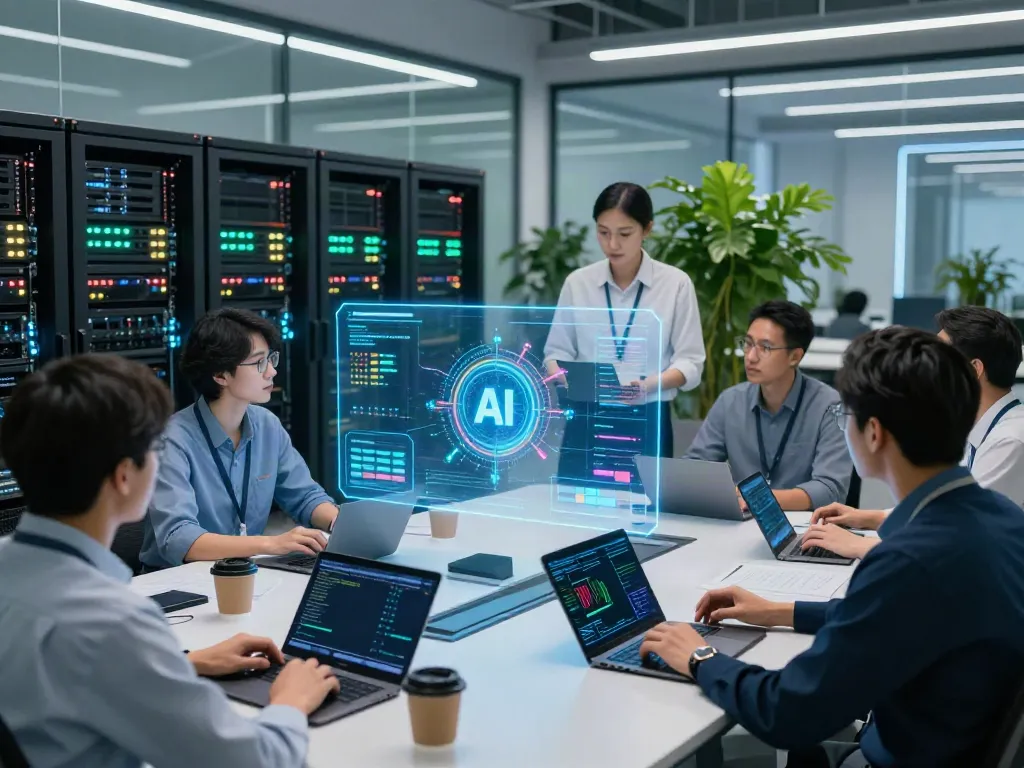
Understanding AI Tokens in the Power Economy
As artificial intelligence (AI) continues to revolutionize industries, understanding the underlying mechanics of how it operates becomes vital. One of these core elements is the concept of AI tokens, which serve as essential units of measurement in AI processing tasks. In the context of power infrastructure, AI tokens not only represent computational resources but also facilitate a smoother operation of AI factories. This article explores the multifaceted role of AI tokens within the power economy, explaining their importance in the AI Token Economy, how they function, and the advantages they offer to participants.
When exploring options, what are AI tokens provides comprehensive insights into the intricacies of AI infrastructure and the mechanisms that drive it.
Defining AI Tokens: What Are They?
AI tokens are defined as the smallest units of data processed by AI systems, particularly by large language models (LLMs). Much like how electricity is measured in kilowatt-hours, AI tokens measure the computational workload of processing tasks. Each request to an AI is effectively broken down into smaller parts, which are then processed through the system's GPU infrastructure. This tokenization allows AI to interpret and generate responses by converting input data into manageable units, enabling efficient data handling and resource allocation.
The Role of AI Tokens in Infrastructure
In the context of AI factories, tokens play a pivotal role in operational functionality. They facilitate the connection between energy consumption, computational tasks, and financial metrics. By supporting GPU infrastructures, token usage directly correlates with electricity consumption, optimizing resource allocation and infrastructure efficiency. With reliable tracking and reporting of token usage, AI factories can streamline operations and enhance their overall productivity, thereby increasing the potential for participants in the AI Token Economy.
Benefits of AI Tokens for Participants
Participants in the AI Token Economy enjoy several benefits thanks to AI tokens. These include:
- Transparency: The token-based system allows for clear tracking of contributions and rewards.
- Monetary Incentives: Participants can earn rewards based on their power contribution to AI operations.
- Scalability: Increased demand for AI services translates to greater opportunities for token generation and associated rewards.
- Access to Advanced Infrastructure: Users can engage in AI infrastructure without the need for significant capital investment in data centers or GPU hardware, making it more inclusive.
How AI Tokens Function in Data Processing
Tokenization Process Explained
The tokenization process involves breaking down text and other data formats into discrete units that AI systems can efficiently process. For instance, a sentence may be divided into multiple tokens based on its structure and vocabulary. These tokens are then managed through a GPU while input data is converted to output data. This process not only conserves computational resources but also enhances speed and accuracy in data processing.
Calculating AI Token Usage
Token usage is calculated based on the number of tokens processed during both the input and output phases of AI tasks. Each request made by a user generates a specific number of tokens, which are measured to determine the total computational workload. The system records this data, allowing for real-time adjustments and accurate reporting for users supporting AI infrastructure through various power plans.
AI Tokens vs. Cryptocurrency: Key Differences
While AI tokens and cryptocurrencies may share a similar nomenclature, they function under distinctly different principles. AI tokens are units of computational measurement used within AI systems, functioning as a metric for processing workloads. In contrast, cryptocurrencies operate on decentralized networks for financial transactions. Therefore, understanding the differences is crucial for defining one's role in the AI Token Economy.
Choosing the Right AI Infrastructure Power Plan
Types of Power Plans Available
51 AIpower offers various AI infrastructure power plans tailored to meet the specific needs of participants. These plans range from basic core power access to advanced enterprise-level solutions. Each plan is designed to support a different scale of operations, accommodating individual users to larger enterprises. Choosing the right plan ensures optimal power support for the AI workloads while maximizing potential rewards.
Factors to Consider When Selecting a Plan
When selecting an AI infrastructure power plan, consider the following factors:
- Power Needs: Assess your operational requirements and match them with available power plans.
- Token Generation Potential: Evaluate the anticipated AI workloads and potential token earnings associated with each plan.
- Duration of Participation: Determine the duration for which you plan to engage in the AI Token Economy to choose a plan suited to your goals.
- Long-Term vs. Short-Term Benefits: Weigh the immediate versus long-term rewards when selecting a power plan.
Maximizing Rewards through Smart Planning
To maximize rewards in the AI Token Economy, participants should adopt a proactive approach. This can include assessing token generation regularly, adjusting power plans as necessary, and staying informed about trends in AI infrastructure and potential market changes. Engaging with the community and continuously optimizing one’s contribution can yield significant rewards over time.
Challenges and Opportunities in AI Token Contributions
Common Misconceptions about AI Tokens
As with any emerging technology, misconceptions about AI tokens can hinder understanding. Some common myths include the belief that AI tokens are akin to cryptocurrencies or that they represent a form of ownership in AI infrastructure. Clarifying these misconceptions is essential for potential participants to engage effectively in the AI Token Economy.
Operational Risks in AI Token Economy
While the AI Token Economy offers numerous opportunities, it is not without its risks. Fluctuations in electricity prices, GPU demand, and operational downtimes can impact token generation and reward systems. Participants need to consider these factors when entering the AI Token Economy and stay informed about potential risks that could affect their estimated contributions.
Future Trends in AI Tokens for 2026 and Beyond
The future of AI tokens looks expansive as advancements in AI technology push the boundaries of what is possible. Trends such as increased automation in token processing, enhanced resource management systems, and greater integration of AI into everyday applications will shape how AI tokens are utilized. Participants in the AI Token Economy can anticipate new opportunities for engagement and innovation as these trends emerge.
Frequently Asked Questions about AI Tokens
How can I measure my AI token contribution?
Your contribution can be measured through the platform's tracking system, which records electricity usage, token processing, and reward calculations associated with your selected power plan.
What are the costs associated with AI tokens?
Costs related to AI tokens typically involve electricity usage and operating fees tied to the AI infrastructure, impacting the overall rewards you can receive.
Who can participate in the AI token economy?
Participation is open to individuals and organizations who meet platform-specific eligibility criteria, allowing a wide range of users to engage in the AI Token Economy.
How are rewards calculated for AI token contributions?
Rewards are calculated based on the recorded power contributions associated with your plan, adjusted for any applicable operating costs and overall performance metrics.
What is the future of AI tokens in the digital economy?
The future of AI tokens in the digital economy looks promising, with increased integration into AI services, fostering innovation, and enhancing user engagement while driving operational efficiencies.