Understanding Age Perception in 2026
As we journey into 2026, the fascination with age perception continues to captivate individuals around the globe. The question of how old someone appears—often phrased as "how old do I look"—has taken on new dimensions with advancements in technology and cultural shifts. Through the lenses of psychology and aesthetics, our understanding of age is now intertwined with societal expectations, personal experiences, and technological innovations, prompting many to explore their perceived age versus their actual age.
What Influences How Old Do I Look?
Age perception is influenced by a myriad of factors, ranging from biological markers to cultural standards. One of the most significant influences is an individual’s skin condition; for instance, the presence of wrinkles, pigmentation, and overall skin texture can dramatically alter perceptions. Furthermore, external factors such as lifestyle choices—like sun exposure, smoking, and diet—play a crucial role. Studies show that individuals with healthier skin tend to be perceived as younger than their chronological age. Psychological aspects also contribute, as personal confidence and demeanor can shift how others perceive your age.
The Role of AI in Age Estimation
The integration of artificial intelligence into age estimation is transforming how we answer the question, how old do I look. AI models trained on extensive datasets analyze facial features to estimate biological age, providing users with immediate feedback. AI analyzes factors such as skin quality, facial geometry, and even emotional expression to render an age estimate that is often startlingly accurate. These tools leverage both machine learning and deep learning approaches, analyzing countless images to refine their predictive capabilities.
Understanding Biological vs. Chronological Age
Chronological age is simply the number of years a person has been alive. In contrast, biological age considers the physiological indicators of aging, which can significantly differ from chronological age. For instance, someone may be chronologically 50 but biologically 40 due to a healthy lifestyle and proper skincare. This distinction is pivotal when utilizing age estimation tools, as they often focus on biological age to provide a more nuanced understanding of one’s youthfulness.
Popular Tools and Apps for Age Estimation
The market is brimming with innovative tools and applications designed for estimating age based on facial features. These resources not only satisfy curiosity but also serve practical purposes in various industries, including skincare and health. The rise of AI-driven platforms has democratized access to age analysis, allowing anyone to explore their perceived age through simple uploads.
Comparing Top Apps: Features and Accuracy
Several applications have gained popularity for their age estimation capabilities. For instance, FaceAge.ai and Fotor are two leading platforms leveraging advanced AI to deliver quick and reliable results. FaceAge.ai stands out with its user-friendly interface and swift analysis, while Fotor offers extensive editing features alongside its age estimation tool. Each app typically requests a clear, frontal image, with results often available in mere seconds. It's advisable to compare these apps based on user reviews and accuracy ratings to find one that suits your needs.
User Reviews and Experience Insights
User feedback on these applications often highlights the accuracy and fun factor of discovering how one appears relative to their age. Many users appreciate the entertainment value, while others find it insightful for personal grooming and skincare decisions. However, common criticisms include issues with the clarity of images processed and occasional discrepancies in age estimation. Thus, selecting an app that emphasizes accuracy and user satisfaction is crucial.
Innovative Age Estimation Technologies in 2026
The technological landscape in 2026 is marked by significant innovations in facial recognition and age estimation. Advances in deep learning provide the underlying architecture for these applications, with models designed to reduce bias and improve accuracy across diverse demographics. Additionally, researchers are delving into the genetic markers of aging, potentially leading to more personalized age estimations that consider not only physical appearance but also inherent biological factors.
How to Take the Best Photo for Age Analysis
To obtain the most accurate age estimation results, understanding how to capture a quality image is essential. This section outlines key tips for taking the perfect photo for analysis, ensuring the best possible results from any age detection tool.
Lighting Tips for Clear Images
Proper lighting is a paramount factor in photographing your face for age estimation. Natural light is preferable; shooting outdoors on a cloudy day or indoors near a window can minimize shadows and highlights that distort facial features. Avoid harsh lighting or strong overhead lights, as these can create unflattering angles that affect the analysis.
Choosing the Right Background and Setup
A clutter-free background enhances the focus on your face, ensuring the technology can analyze features without distraction. Ideally, choose a neutral or light-colored backdrop. Positioning yourself at eye level with the camera will also present a natural view of your face, crucial for accurate age estimation.
Common Mistakes to Avoid When Uploading Photos
While it may seem straightforward, users often make mistakes that can lead to inaccurate age estimates. Common errors include uploading blurry images, using photos with heavy filters, or presenting extreme facial expressions. Consistency is key; try to maintain a neutral expression in well-lit, clear images for the best results.
Practical Applications of Age Estimation Tools
Beyond mere curiosity, age estimation tools have practical applications across several domains, from social interactions to beauty and health industries. They provide insights that can shape personal choices and professional marketing strategies alike.
Fun and Social Uses: Engaging Friends and Family
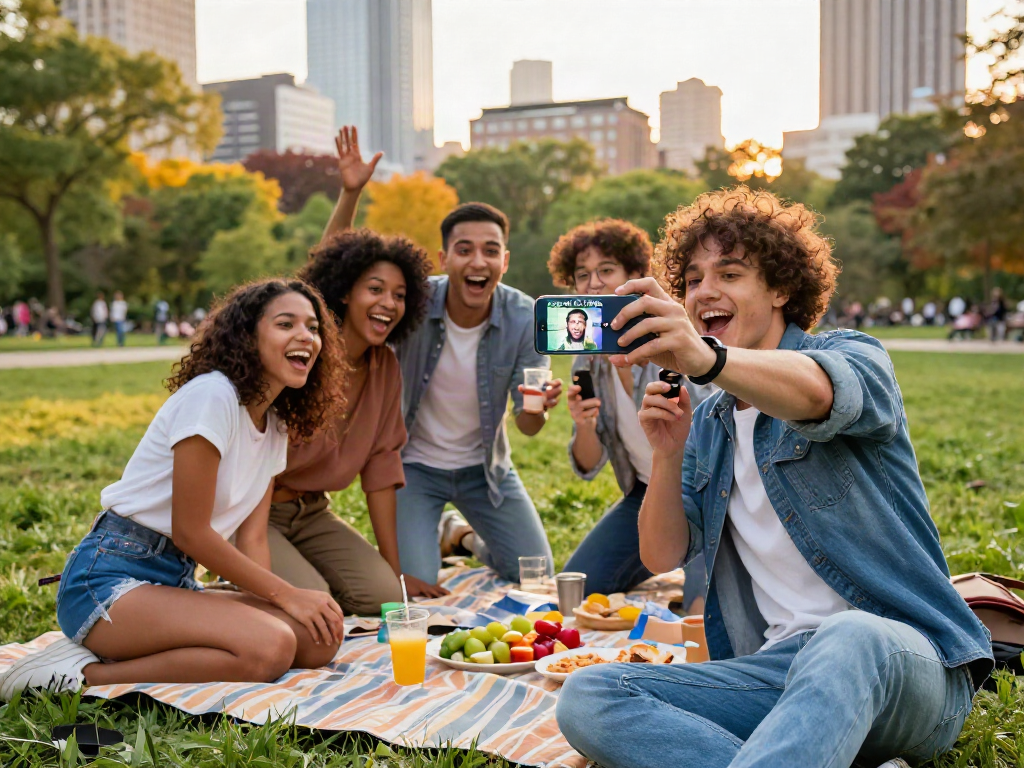
Sharing age estimation results among friends can spark intriguing conversations and lighthearted competitiveness. Many individuals post their results on social media, prompting fun interactions and discussions about perceptions of age and beauty. This social aspect fosters community and connection, enhanced by shared experiences and humorous insights.
Insights for Skincare and Wellness Products
For skincare brands, understanding how their target audience perceives age can guide marketing strategies and product development. Insights generated from age estimation tools can influence product formulations and advertising, ensuring they resonate with consumer desires for youthful appearances. Brands can tailor their messaging based on the perceived age of their target demographic, enhancing engagement and sales.
Impact on Fitness and Health Tracking
In the realm of fitness and wellness, age estimation tools can help individuals track their physical condition in relation to age. Users can better understand how lifestyle choices affect their biological age, prompting healthier habits. For fitness trainers and health professionals, these insights can inform workout programs tailored to the needs of clients seeking to maintain or reverse the signs of aging.
Future Trends in Facial Recognition and Age Estimation
As AI continues to evolve, so too will the methodologies used in age estimation. The trends of 2027 and beyond are set to be shaped by both technological advancements and societal changes, pushing the boundaries of what is possible in age recognition.
Predictions for 2027 and Beyond
Experts predict that future age estimation tools will become even more sophisticated, incorporating augmented reality features that allow users to visualize potential aging effects based on current lifestyle choices. Additionally, as AI's understanding of human biology improves, the accuracy of age predictions will significantly enhance, providing insights that are increasingly personalized.
Ethical Considerations in AI Technology
With the power of AI comes the responsibility to address ethical concerns. As facial recognition technology becomes more prevalent, discussions surrounding privacy, consent, and algorithmic bias will intensify. Ensuring that age estimation tools operate transparently and fairly will be vital in fostering trust among users.
How Age Estimation Will Shape Beauty Standards
The implications of widespread age estimation technology extend to societal beauty standards. As people gain better insights into how age perceptions are formed, the pressure to conform to conventional beauty ideals may shift. This could lead to a more inclusive understanding of beauty that embraces aging rather than shunning it.
What is the Best App for Age Estimation?
Choosing the best app for age estimation often comes down to personal preference and the specific features one finds most valuable. Apps like FaceAge.ai and Fotor lead the market, but users should consider app functionalities, user experience, and feedback when making their selection. Testing multiple apps can also provide a broader perspective on their accuracy and usability.
How Accurate Are AI Age Estimators?
AI age estimators have demonstrated varying degrees of accuracy, often influenced by the quality of images used and the algorithms behind them. Users can expect to find different results across apps; therefore, reviewing documentation and user experiences is crucial for setting realistic expectations.
Can These Tools Help in Real-life Applications?
Indeed, age estimation tools can assist in real-life applications, particularly in industries focused on beauty, health, and marketing. Professionals can leverage insights gained from age detection to tailor products and services to meet consumer needs more effectively.
Is There a Limit for Photos Submitted?
Many age estimation apps impose specific limits on photo uploads, such as file size and image resolution. Users should review the guidelines provided by the platforms to ensure they submit suitable images for analysis.
What Are Common User Experiences with Age Apps?
User experiences with age estimation apps can be quite varied. While many celebrate the fun and exploratory nature of these tools, others may express frustration over discrepancies or technical issues. Gathering feedback from a range of users can help identify popular trends and areas needing improvement.