Understanding Chloe Sunderland's Advocacy Approach
In the rapidly evolving digital landscape, Chloe Sunderland, popularly known as Roma Army, stands out with her engaging content that delves into modern cultural and social issues. Based in Calgary, Canada, Chloe has gained recognition for her unfiltered take on topics such as relationships and gender dynamics, striving to foster open conversations while advocating for men's rights and mental health awareness. Her multi-faceted approach not only informs but also resonates deeply with her audience, creating a significant online presence.
Who is Chloe Sunderland and What Does She Stand For?
Chloe Sunderland, aka Roma Army, is a notable content creator whose journey began with a passion for addressing societal issues that often go unnoticed. Her advocacy focuses primarily on men’s rights, particularly emphasizing the importance of mental health. Through her platform, Chloe engages in dialogue that dismantles stereotypes and encourages men to express their feelings openly. By leveraging her platform for advocacy, she has fostered a supportive community that feels empowered to discuss sensitive topics.
The Importance of Men's Mental Health Awareness
Men's mental health has historically been overshadowed by stigma and societal expectations, making it a crucial topic in contemporary discussions. Chloe Sunderland highlights this issue by addressing the challenges men face in emotional expression and mental well-being. With increasing pressures from societal norms, many men struggle silently, which can lead to significant mental health issues, including depression and anxiety. By advocating for men’s mental health, Chloe not only raises awareness but also encourages men to seek support when needed.
How Chloe Drives Community Engagement and Dialogue
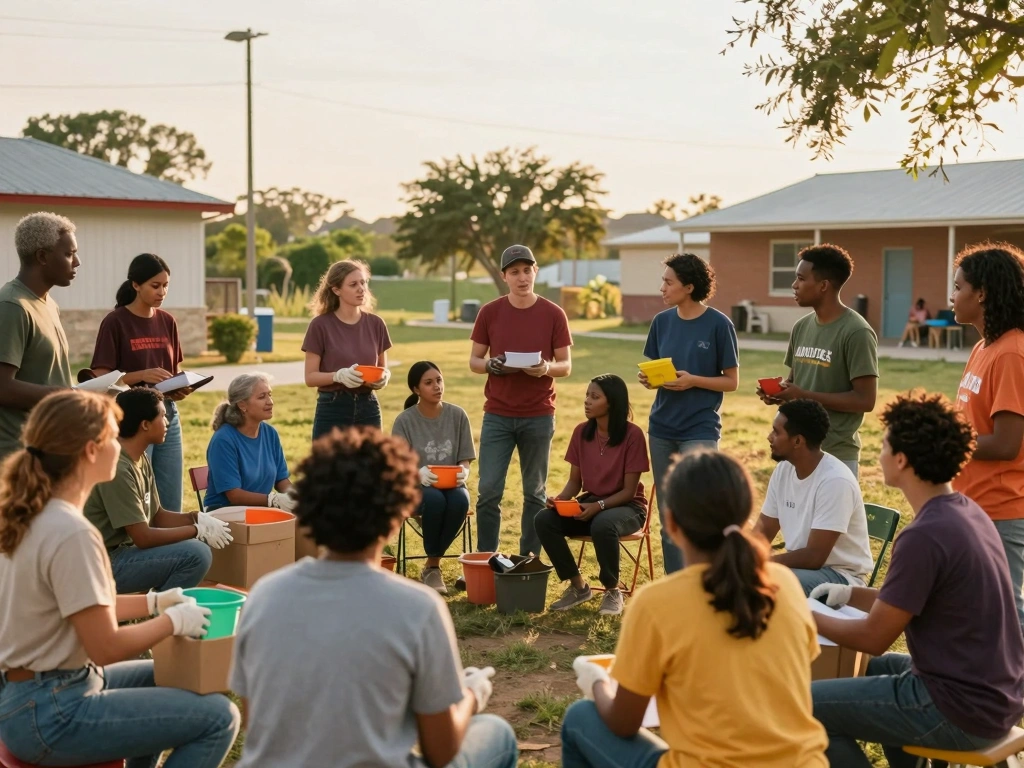
Community engagement is at the heart of Chloe Sunderland's strategy. She actively encourages her followers to participate in discussions surrounding men’s issues, fostering a sense of belonging and understanding. Her content often invites comments and stories from her audience, creating an interactive atmosphere that encourages dialogue. This engagement not only amplifies voices that might otherwise remain unheard but also cultivates a supportive environment where followers can share experiences and perspectives.
Challenges Faced by Men Today
In today’s society, men face a myriad of challenges that can impact their mental health and overall well-being. From pressure to conform to traditional masculinity to the stigmatization of seeking help, the hurdles are significant. Chloe addresses these issues head-on, inviting her audience to explore the societal constructs that affect men.
Societal Expectations and Emotional Well-being
Societal expectations often dictate how men should behave emotionally. The notion that men must be stoic and strong can create barriers to emotional well-being. Chloe Sunderland confronts these stereotypes by promoting the idea that vulnerability is a strength, encouraging men to express their feelings without fear of judgment. By challenging these harmful perceptions, she paves the way for healthier emotional lives for men.
Misconceptions About Men's Rights Advocacy
Men's rights advocacy is often misunderstood and, at times, misrepresented. Critics may view it as anti-feminist, but Chloe Sunderland clarifies that her advocacy focuses on creating equality for all genders. By addressing misconceptions surrounding men’s rights, she aims to foster a true understanding of the importance of addressing men's issues without undermining women's rights. This nuanced approach helps bridge gaps and promotes solidarity rather than division.
The Need for Support Systems in Modern Society
Establishing robust support systems for men is essential in combating the adversities they face. Chloe emphasizes the need for open dialogue and accessible resources, which can significantly impact men’s mental health. By collaborating with organizations aimed at providing support, she not only amplifies her advocacy but also directs her audience towards resources that can aid in their mental health journeys.
Strategies for Advocacy and Engagement
Effective advocacy requires thoughtful strategies to resonate with diverse audiences. Chloe Sunderland employs a variety of techniques to enhance her outreach and engage her community.
Building an Authentic Online Community
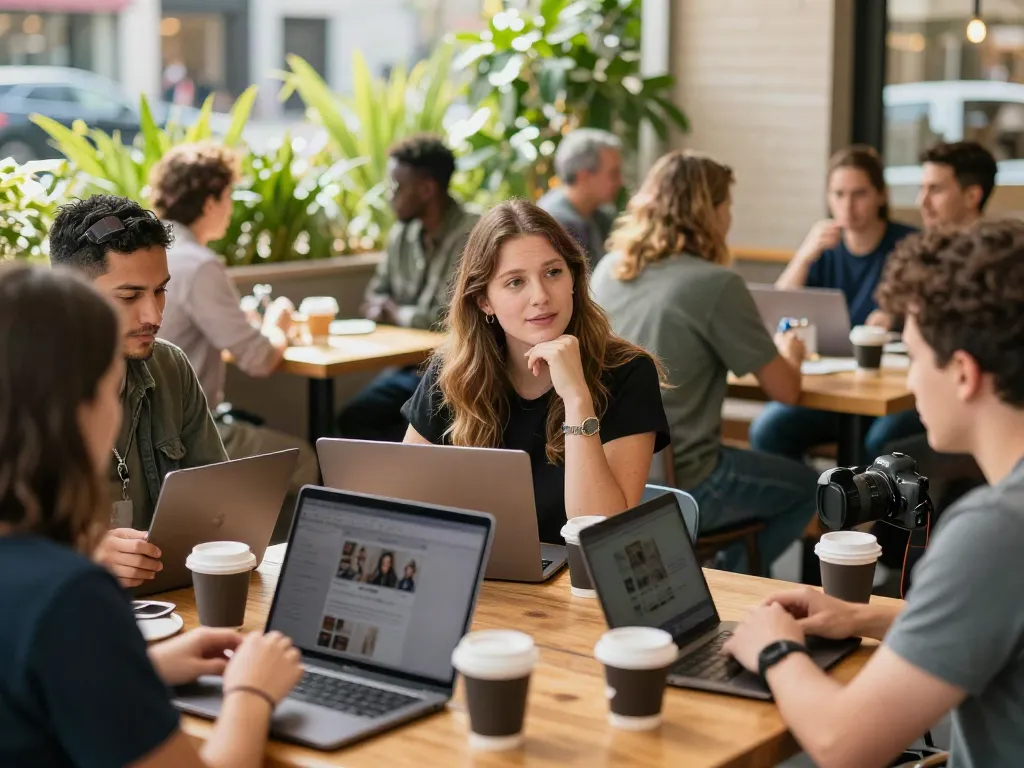
Authenticity is key to Chloe's success as a content creator. By being open about her own experiences and challenges, she fosters trust and relatability within her audience. This genuine approach helps build a strong community that feels connected and valued, encouraging more members to participate in discussions surrounding men’s rights and mental health.
Effective Communication Techniques for Sensitive Topics
Discussing mental health can be daunting, especially for many men who may feel uncomfortable addressing emotional struggles. Chloe Sunderland utilizes effective communication techniques that include empathetic language and relatable anecdotes. By making her content accessible, she allows her audience to engage with sensitive topics without feeling alienated or judged.
Collaborating with Charities and Organizations
Chloe actively partners with charities focused on men’s mental health, such as Drive for Youth Australia. These collaborations enhance her advocacy efforts and provide tangible support to her audience. This strategy not only amplifies her message but also directs resources to those in need, furthering the cause of men’s mental health awareness.
Measuring Impact and Community Growth
Evaluating the effectiveness of advocacy campaigns and community engagement initiatives is essential for continued growth. Chloe Sunderland employs various metrics to assess the impact of her content and strategies.
Metrics for Success in Advocacy Campaigns
Key performance indicators (KPIs) play a vital role in measuring the success of advocacy efforts. Metrics such as audience engagement rates, follower growth, and feedback from community members can provide insights into the effectiveness of campaigns. Chloe tracks these metrics to refine her strategies and ensure that her content resonates with her audience over time.
Case Studies of Successful Engagement Initiatives
Success stories from her initiatives can serve as powerful examples of effective engagement. For instance, a past campaign focused on destigmatizing mental health discussions led to an influx of stories shared by men in her community, showcasing the impact of creating a safe space for conversation. These case studies demonstrate not only the efficacy of Chloe’s efforts but also the genuine need for such dialogues.
Future Trends in Men's Advocacy and Support
As society continues to evolve, men's advocacy will likely adapt to new challenges and dynamics. Trends may include more collaborative efforts between genders to address mutual concerns, increased visibility of men's mental health in mainstream media, and greater acceptance of vulnerability as a societal norm. Chloe Sunderland is poised to remain a key figure in navigating these trends, continually shaping the discourse around men’s rights and well-being.
Frequently Asked Questions
What initiatives does Chloe Sunderland support?
Chloe Sunderland supports several initiatives aimed at promoting men's mental health, including collaborations with charities and awareness campaigns that address mental health stigmas.
How can I get involved in men's mental health advocacy?
Getting involved can range from participating in discussions online to supporting charities focused on men's mental health. Engaging with content creators like Chloe Sunderland can also provide insight and direction for advocacy efforts.
What resources are available for men seeking support?
Numerous resources exist for men seeking support, including mental health hotlines, community support groups, and online platforms where men can share their experiences and stories anonymously.
What has been the impact of Chloe Sunderland's work?
The impact of Chloe Sunderland's work is evident in the growing dialogue around men's mental health and rights, as well as the active participation of her community in discussing these vital issues.
How can advocacy evolve in the coming years?
Advocacy for men's rights and mental health will likely evolve to include more intersectional approaches, addressing how various societal factors influence men's experiences and needs. Collaborative partnerships will become increasingly important in driving real change.