Understanding CNC Machining Parts
CNC (Computer Numerical Control) machining has become a cornerstone of modern manufacturing processes. Utilizing advanced technology, CNC machining is capable of producing precision parts across various industries, ensuring efficiency and accuracy. Since 2003, Honscn has been at the forefront as a leading cnc machining parts manufacturer, delivering high-quality components to meet diverse specifications.
What are CNC Machining Parts?
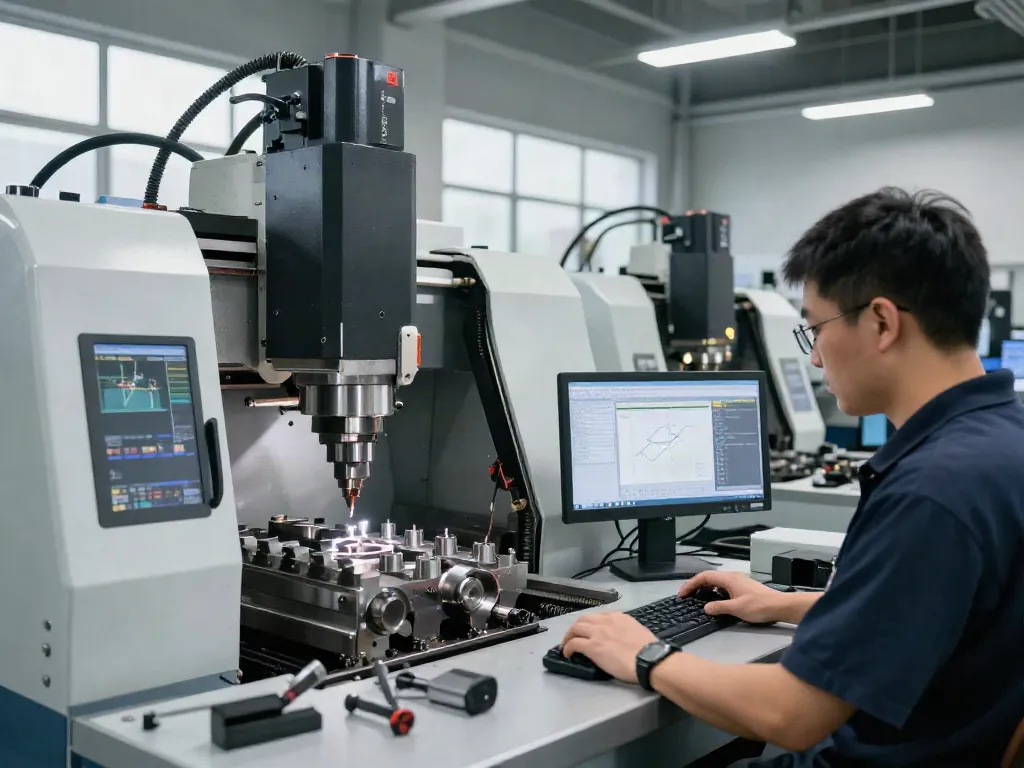
CNC machining parts are components produced using CNC machines, which follow programmed instructions to cut, shape, and finish materials. These parts are integral in industries ranging from aerospace and automotive to electronics and medical devices. Common materials used in CNC machining include metals, plastics, and composites, each selected based on their specific properties and the requirements of the finished product.
The Role of CNC Machining in Modern Manufacturing
In the age of rapid technological advancements, CNC machining plays a vital role in modern manufacturing. It enhances productivity by enabling the mass production of components with high precision and minimal waste. The automation inherent in CNC machines also reduces the probability of human error, leading to more consistent quality in production runs.
Types of CNC Machining Services Available
There are several CNC machining services available to cater to the unique needs of different industries. These include:
- CNC Milling: A process that uses rotating cutting tools to remove material from a workpiece.
- CNC Turning: Involves rotating the workpiece against a stationary cutting tool to shape cylindrical parts.
- Injection Molding: A method for producing parts by injecting molten material into a mold.
- Screw Machining: Specialized machining for creating detailed screw parts with a high degree of accuracy.
Choosing the Right CNC Machining Parts Manufacturer
When selecting a CNC machining parts manufacturer, several key factors come into play that can significantly impact the quality of your finished products.
Key Factors to Consider in a Manufacturer
Quality, experience, and reliability are critical attributes to search for in a CNC machining parts manufacturer. A manufacturer with a strong track record can often provide better insights into material selection, design considerations, and compliance with industry standards.
Evaluating Manufacturers: Quality Assurance Practices
Quality assurance is paramount in CNC machining. Manufacturers should adhere to strict quality control processes, such as ISO certifications, to ensure that every part meets specified tolerances and requirements. Regular audits and inspections are essential points to consider when evaluating potential partners.
Understanding Manufacturer Certifications and Standards
Choosing a CNC machining manufacturer with the right certifications and industry standards can help ensure compliance and quality. Certifications such as ISO 9001:2015 are indicators of a manufacturer's commitment to quality management systems and continuous improvement.
Advanced CNC Machining Technologies
As technology continues to evolve, the CNC machining field has seen significant advancements that have transformed traditional practices into highly efficient processes.
Latest Innovations in CNC Machining Equipment
Modern CNC machines are equipped with sophisticated technology, including multi-axis capabilities and high-speed machining tools, allowing for the creation of complex geometries with exceptional precision. Innovations such as 3D printing integration and hybrid manufacturing processes are also paving the way for new possibilities.
The Impact of Automation and AI in CNC Machining
Automation and artificial intelligence are revolutionizing CNC machining by optimizing operations and reducing labor costs. Smart manufacturing solutions allow for predictive maintenance, ensuring machines are operational and minimizing downtime. Additionally, AI algorithms can enhance design processes and improve overall efficiency in production workflows.
Future Trends for CNC Machining in 2026 and Beyond
As we look toward 2026 and beyond, trends such as increased automation, sustainable manufacturing practices, and the use of advanced materials are expected to shape the CNC machining landscape. Manufacturers that adapt to these trends will likely gain a competitive edge in an increasingly globalized market.
The CNC Machining Process: Step by Step
Understanding the CNC machining process involves several key stages, from design to final finishing.
Designing Parts: From CAD to CNC
The journey begins with computer-aided design (CAD), where engineers create detailed specifications of the part. Once the design is finalized, it is translated into a format compatible with CNC machines. Advanced software enables seamless integration between CAD designs and CNC operations.
Material Selection for CNC Machining
Choosing the right material is critical in CNC machining. The material's properties, such as tensile strength, machinability, and cost, play a significant role in determining its suitability for specific applications.
Post-Processing and Finishing Techniques
After machining, parts may require additional finishing processes to enhance their surface quality and functionality. Techniques such as sanding, polishing, and coating can add protective layers or improve aesthetics.
Common Challenges and Solutions in CNC Machining
Despite its advantages, CNC machining presents several challenges that manufacturers must navigate to ensure efficiency and quality.
Identifying and Overcoming Production Bottlenecks
Production bottlenecks can occur due to equipment failure, material shortages, or labor issues. By conducting regular analyses and investing in preventative maintenance, manufacturers can identify potential bottlenecks early and implement solutions to mitigate them.
Dealing with Human Errors in CNC Operations
Even in a highly automated environment, human errors can occur during programming or operation. Continuous training and the implementation of standardized operating procedures can significantly reduce these risks and enhance overall efficiency.
Maintaining Equipment for Optimal Performance
Regular maintenance and calibration of CNC machines are essential to ensure optimal performance. A well-maintained machine not only produces higher quality parts but also extends the lifespan of the equipment.
What distinguishes quality cnc machining parts manufacturers?
Beyond technology, quality manufacturers emphasize customer service, transparency in processes, and commitment to continuous improvement. These factors create lasting partnerships built on mutual trust and reliability.
How can I find a local cnc machining parts manufacturer?
When searching for a local CNC machining parts manufacturer, consider utilizing online directories and industry resources to identify reputable companies near you.
What are the benefits of using cnc machining services?
The benefits of CNC machining services include precision, repeatability, and the ability to produce complex geometries that are often difficult to achieve with traditional machining methods.
What industries benefit most from cnc machining?
CNC machining is widely utilized in various industries, including aerospace, automotive, medical, electronics, and consumer goods, due to its versatility and ability to meet stringent tolerances.
How has CNC technology evolved in recent years?
Recent advancements in CNC technology have embraced automation, improved software interfaces, and innovative materials, resulting in faster production cycles and enhanced product quality.